Mississippi Central Railroad
|
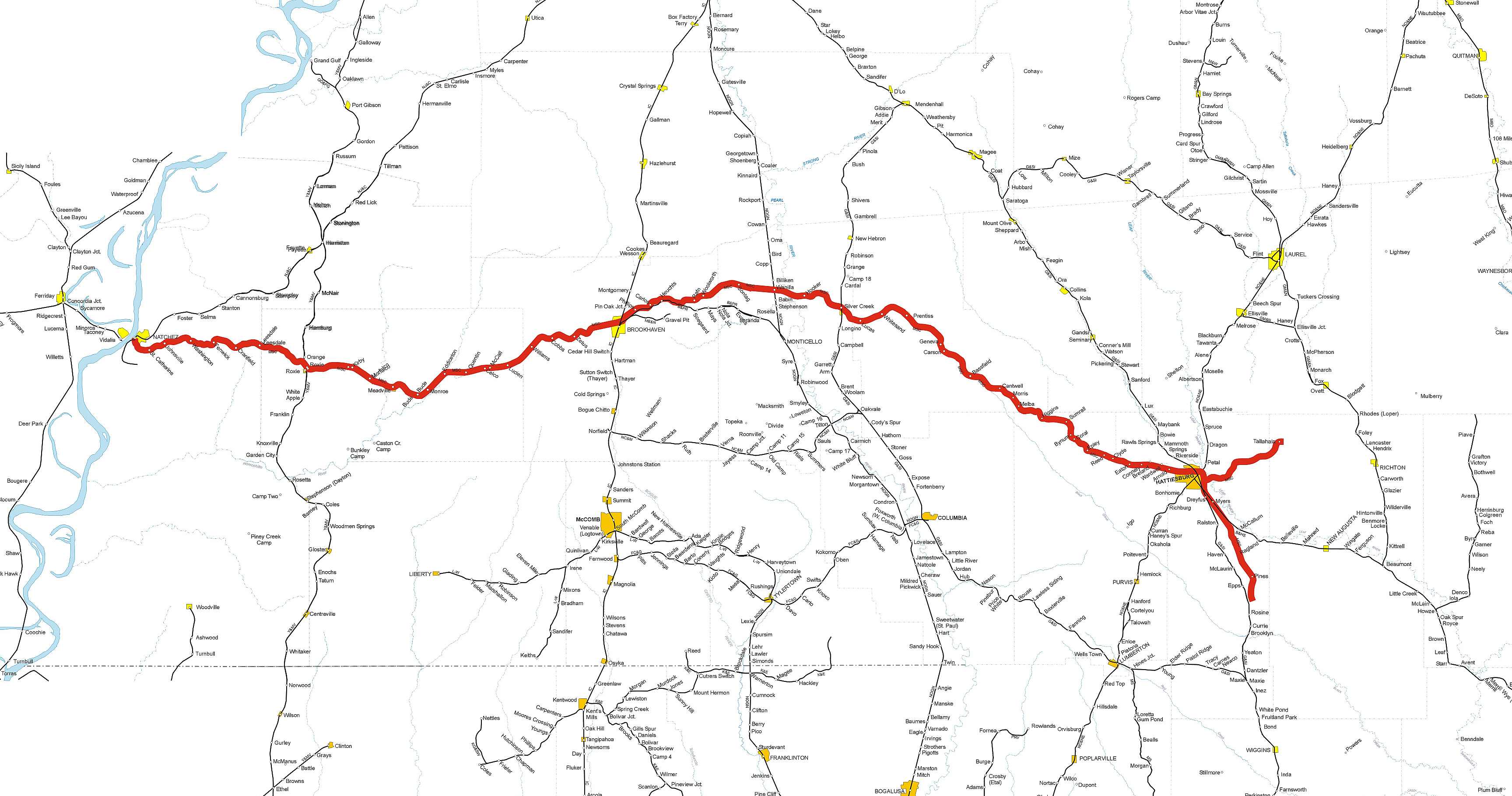
Standard Gauge, 77.5 and 80-lb rail Headquarters: Hattiesburg, MS (Forrest Co.) Years of Operation: 1904-1967 Predecessor Roads: Pearl & Leaf Rivers Successor Roads: Illinois Central Miles Operated: Natchez to Pines: 164.0 miles Hattiesburg to Tallahala: 12 miles Locomotives Owned: See roster below |
See also: J. J. Newman Lumber Co. Equipment: On Dec 31, 1916- 16 locomotives, 12 passenger cars, 1 combine, 5 baggage, mail & express, 96 box, 838 flats, 40 ballast, 4 coal, 6 cabooses, 23 other (per Poor's Manual)
|
Click Map for Larger Version Google Earth Map HERE |
|||||||||||||||||||||||||||||||||||||||||||||||||||||||||||||||||||||||||||||||||||||||||||||||||||||||||||||||||||||||||||||||||||||||||||||||||||||||||||||||||||||||||||||||||||||||||||||||||||||||||||||||||||||||||||||||||||||||||||||||||||||||||||||||||||||||||||||||||||||||||||||||||||||||||||||||||||||||||||||||||||||||||||||||||||||||||||||||||||||||||||||||||||||||||||||||||||||||||||||||||||||||||||||||||||||||||||||
| History
by David Price and Tony Howe:
As the Pearl & Leaf Rivers Railroad was expanded, the new goal to reach Natchez was chosen and the railroad was renamed the Mississippi Central on February 13, 1904. In 1908 the much publicized first through passenger train was pulled
from Hattiesburg to Natchez by engineer A. S. Trigg. The J. J. Newman Lumber Company, owner of the Mississippi Central, was
huge. By 1905 its timber holdings had reached 400,000 acres and the
company estimated its total capital investment at $26,000,000. Another
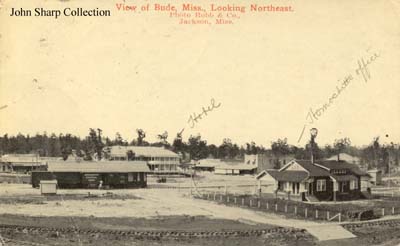
huge sawmill was built at Bude in 1912, and called the Homochitto Lumber
Co. The Mississippi Central tied these mills together, provided a
backbone to many logging branches that supplied these mills, and gave
ready and profitable choices of outlets for finished lumber. J. J.
Newman, Homochitto, and the Mississippi Central were part of the
holdings of the United States Lumber Company, whose president and
prime-mover was Fenwick Peck. In 1921, the Mississippi Central adopted a new slogan, “The Natchez
Route,” and for several exciting years did a brisk through-freight
business between Natchez and the port city of Mobile utilizing leased
trackage between Hattiesburg and Beaumont and trackage rights over the
Gulf, Mobile & Northern to Mobile. Five new mikado locomotives were
purchased new in 1921 to handle the increased business. The 1920's
proved to be the pinnacle of profit and tonnage for the Mississippi
Central. Mississippi Central also operated two additional branches out of
Hattiesburg. Construction started on what was called the “Pascagoula
Extension” in 1906. It was planned to complete this line to Pascagoula
to give the company an outlet to the Gulf. For various reasons, the line
was never completed more than 14 miles to a point called “Pines.”
Its primary function was to tap Newman timber lands east of the G&SI,
and many miles of logging spurs were built by the lumber company
eastward off of it. It also became the
basis of Mississippi Central’s access to Camp Shelby during
World War I. The line was removed in 1921, but was quickly relaid in
1941 to serve Camp Shelby, only to be removed again after World War II. The second branch was even more short-lived. On November 23, 1921, MSC leased a 12-mile branch extending east from Hattiesburg to a point known as Tallahala in Perry County. This line had been built as the logging railroad of the Tallahala Lumber Co. in 1917 and logs were hauled by the G&SI to Tallahala’s mill at Ora, near Collins. In 1921, Major-Sowers Saw Mill Co. bought the logging railroad and timber land, and built a large sawmill at Tallahala. After this mill cut out in January 1929, the line was quickly abandoned. Mississippi Central survived the closing of the big mills in the early
1930's. Location of a $30-million paper mill on the MSC at Ferguson on the
east side of the Pearl River in the mid-1960's spelled the end of
Mississippi Central ownership. Heavy debts made further capital investment
by the railroad extremely difficult. In 1965 an agreement was reached for
the Illinois Central to purchase the Mississippi Central, and this became
a fact on March 29, 1967. After several years of more or less
business-as-usual operation, through traffic to Natchez was discontinued.
Finally the eastern segment was abandoned between the paper mill at
Ferguson and Hattiesburg. Rails were finally removed in the early 1990's,
and a popular hiking and biking trail, the Longleaf Trace, now occupies
the right-of-way between Hattiesburg and Prentiss.
NOTE: There were two other railroads in Mississippi named Mississippi Central RR. The first Mississippi Central RR operated 1855-1874 between Canton, MS and Jackson, TN and Cairo, IL. The newest Mississippi Central RR operates between Grand Jct., TN and Oxford, MS and was formed in 1993. |
|||||||||||||||||||||||||||||||||||||||||||||||||||||||||||||||||||||||||||||||||||||||||||||||||||||||||||||||||||||||||||||||||||||||||||||||||||||||||||||||||||||||||||||||||||||||||||||||||||||||||||||||||||||||||||||||||||||||||||||||||||||||||||||||||||||||||||||||||||||||||||||||||||||||||||||||||||||||||||||||||||||||||||||||||||||||||||||||||||||||||||||||||||||||||||||||||||||||||||||||||||||||||||||||||||||||||||||||
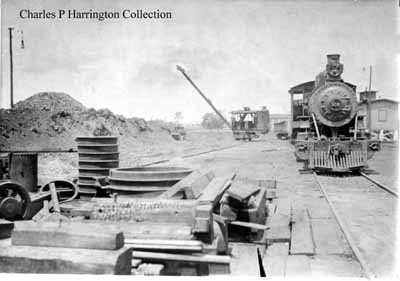
An early view at Mississippi Central's engine facility at Hattiesburg. |
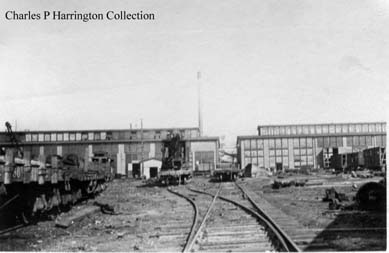
Mississippi Central's main shops at Hattiesburg. |
Mississippi Central's depot at Bude on the left and the Homochitto Lumber Co.'s office on the right. |
|||||||||||||||||||||||||||||||||||||||||||||||||||||||||||||||||||||||||||||||||||||||||||||||||||||||||||||||||||||||||||||||||||||||||||||||||||||||||||||||||||||||||||||||||||||||||||||||||||||||||||||||||||||||||||||||||||||||||||||||||||||||||||||||||||||||||||||||||||||||||||||||||||||||||||||||||||||||||||||||||||||||||||||||||||||||||||||||||||||||||||||||||||||||||||||||||||||||||||||||||||||||||||||||||||||||||||||
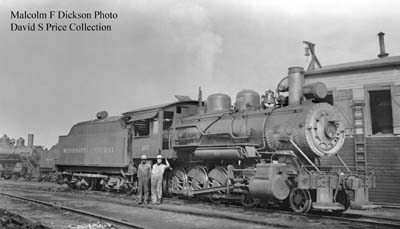
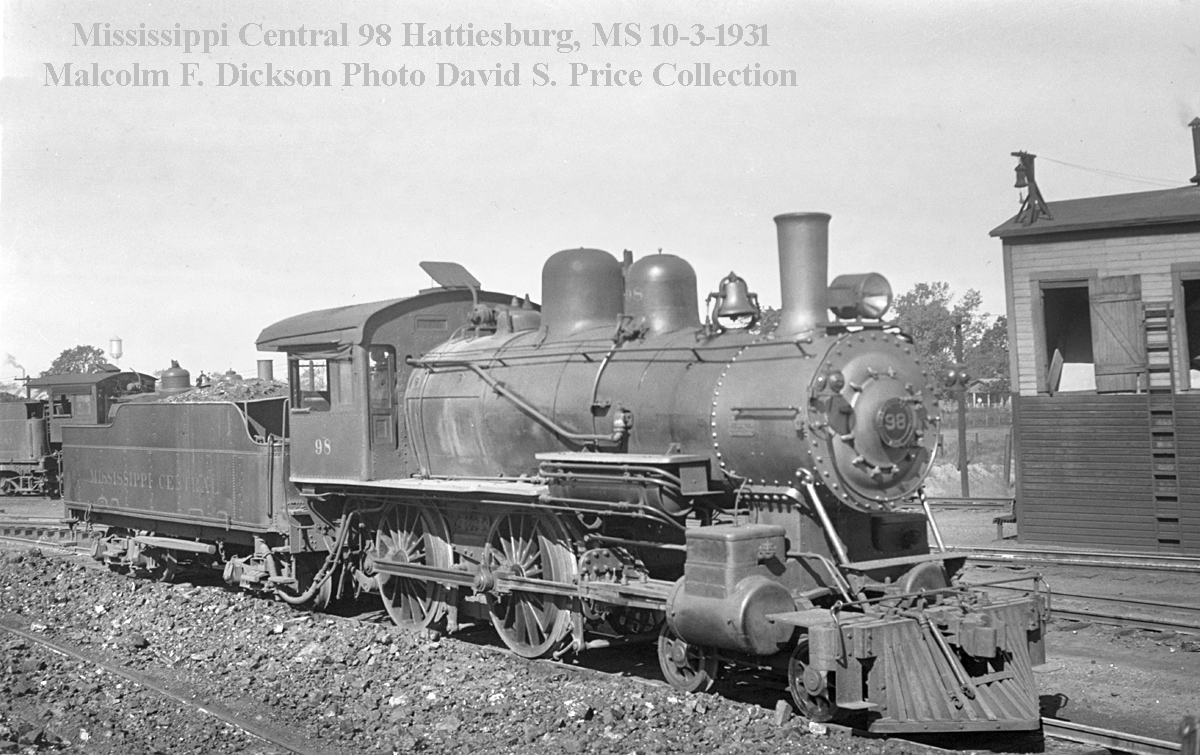
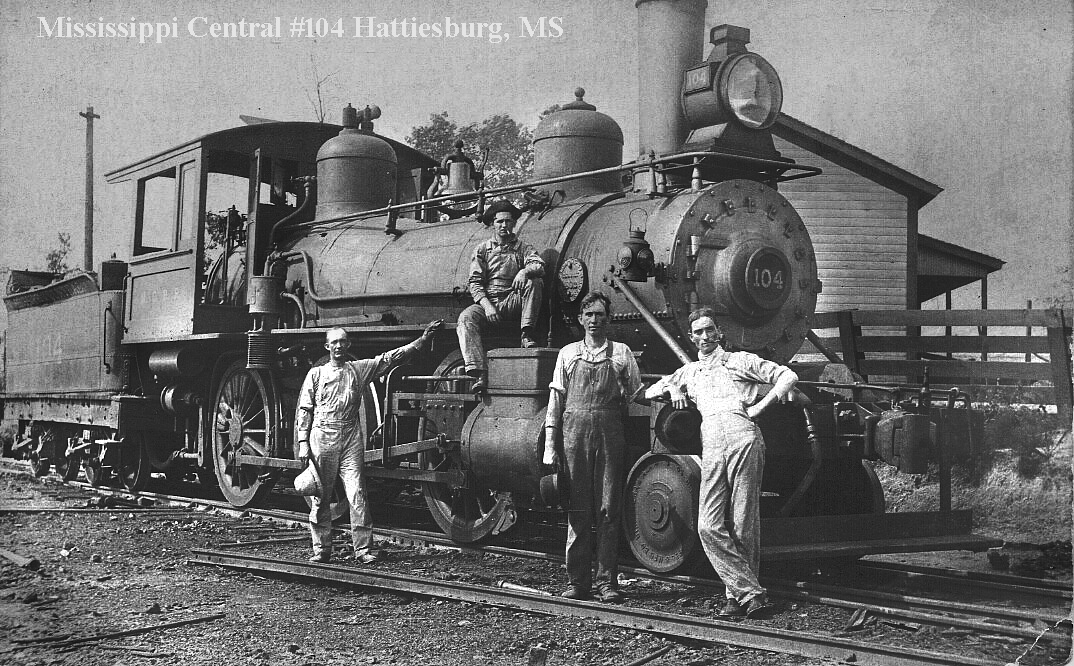
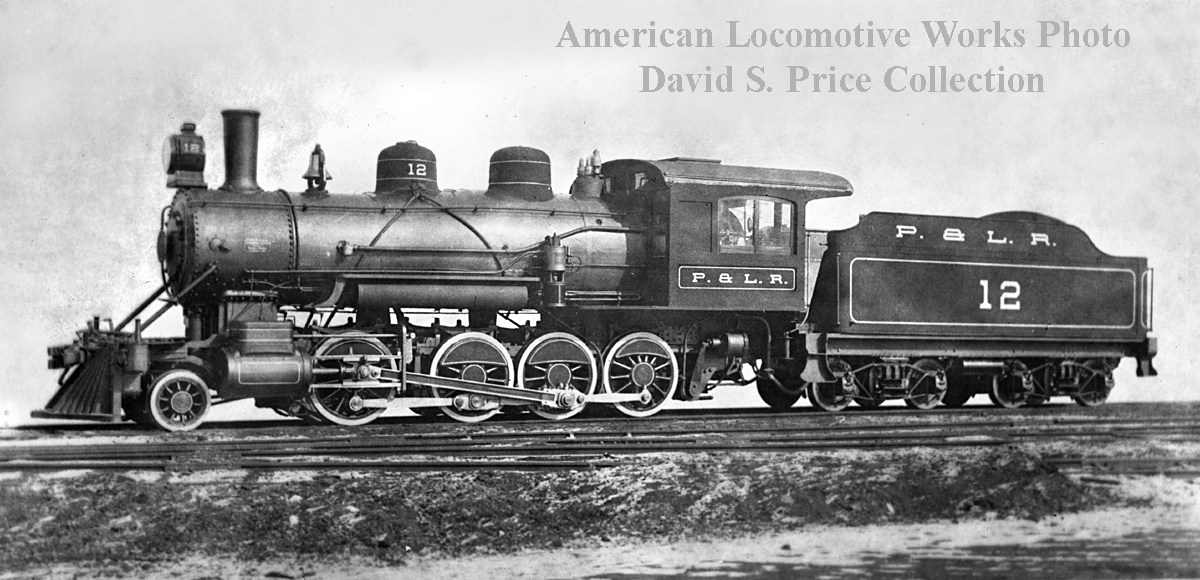
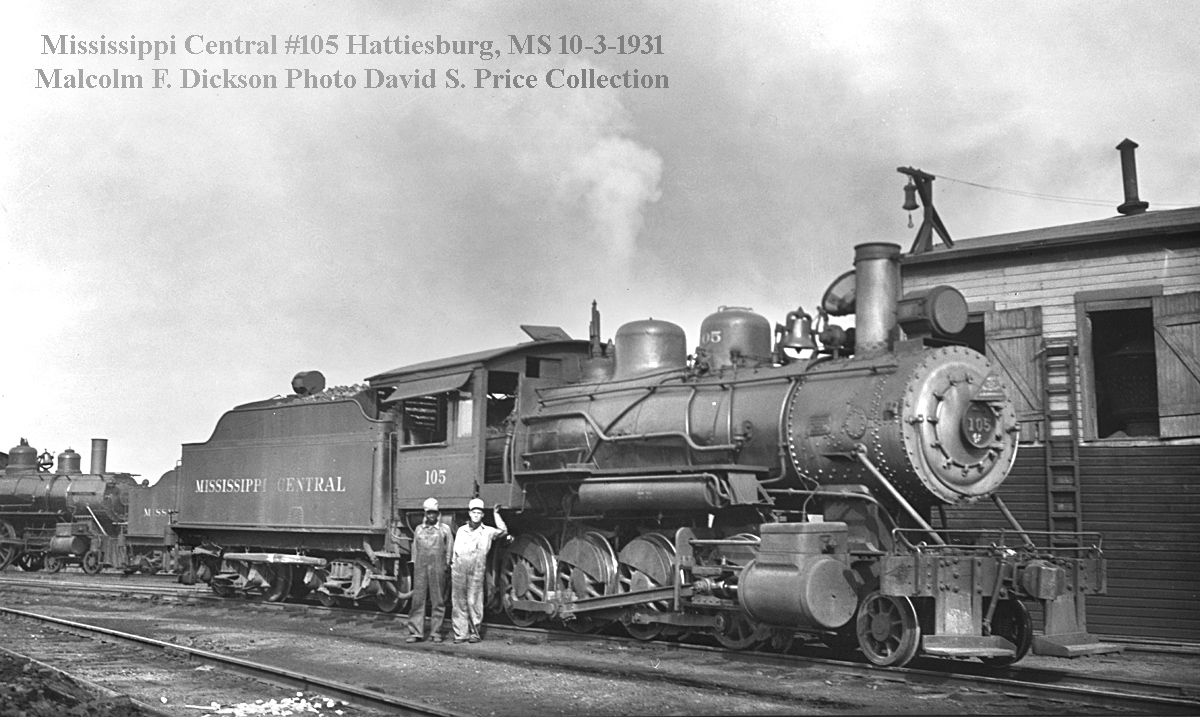
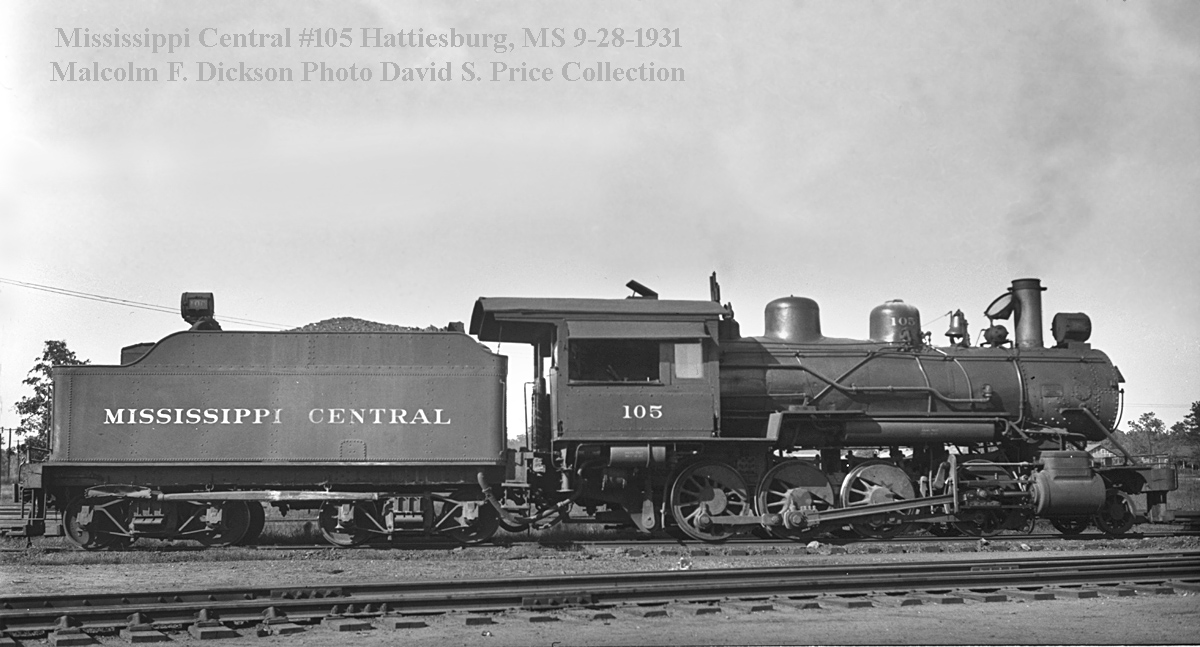
Mississippi Central 105 was built new by Alco-Brooks in 1904. Here fireman Ed Berry and engineer Spec Brinson pose with the 105 at Hattiesburg on October 3, 1931. |
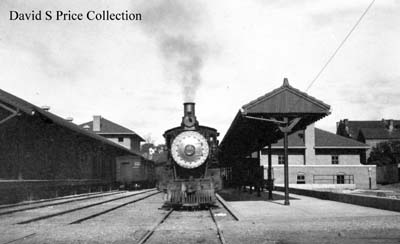
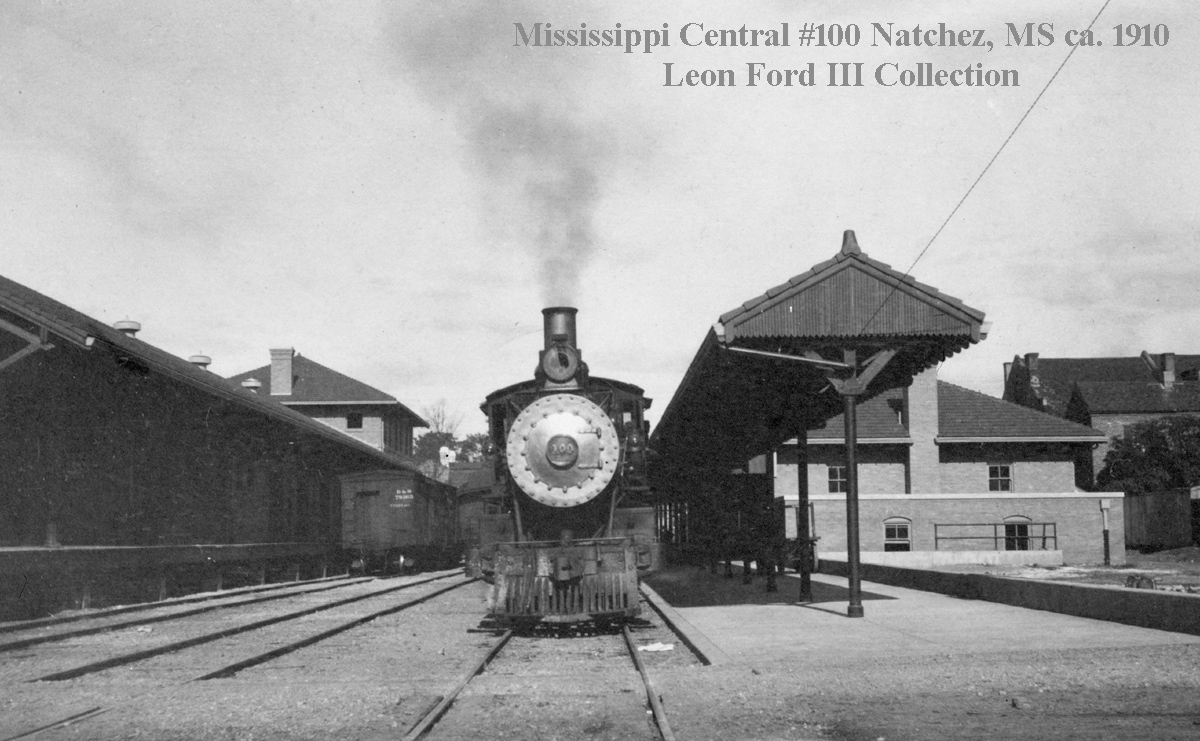
Mississippi Central 100 at the depot in Natchez in 1910. |
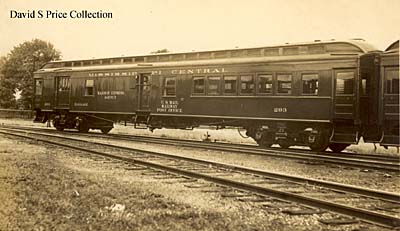
Mississippi Central combine 293
|
|||||||||||||||||||||||||||||||||||||||||||||||||||||||||||||||||||||||||||||||||||||||||||||||||||||||||||||||||||||||||||||||||||||||||||||||||||||||||||||||||||||||||||||||||||||||||||||||||||||||||||||||||||||||||||||||||||||||||||||||||||||||||||||||||||||||||||||||||||||||||||||||||||||||||||||||||||||||||||||||||||||||||||||||||||||||||||||||||||||||||||||||||||||||||||||||||||||||||||||||||||||||||||||||||||||||||||||
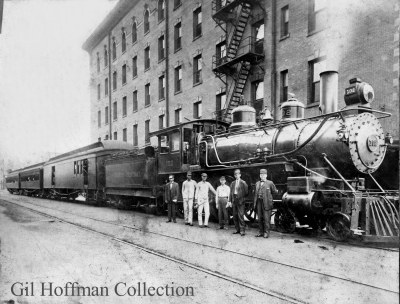
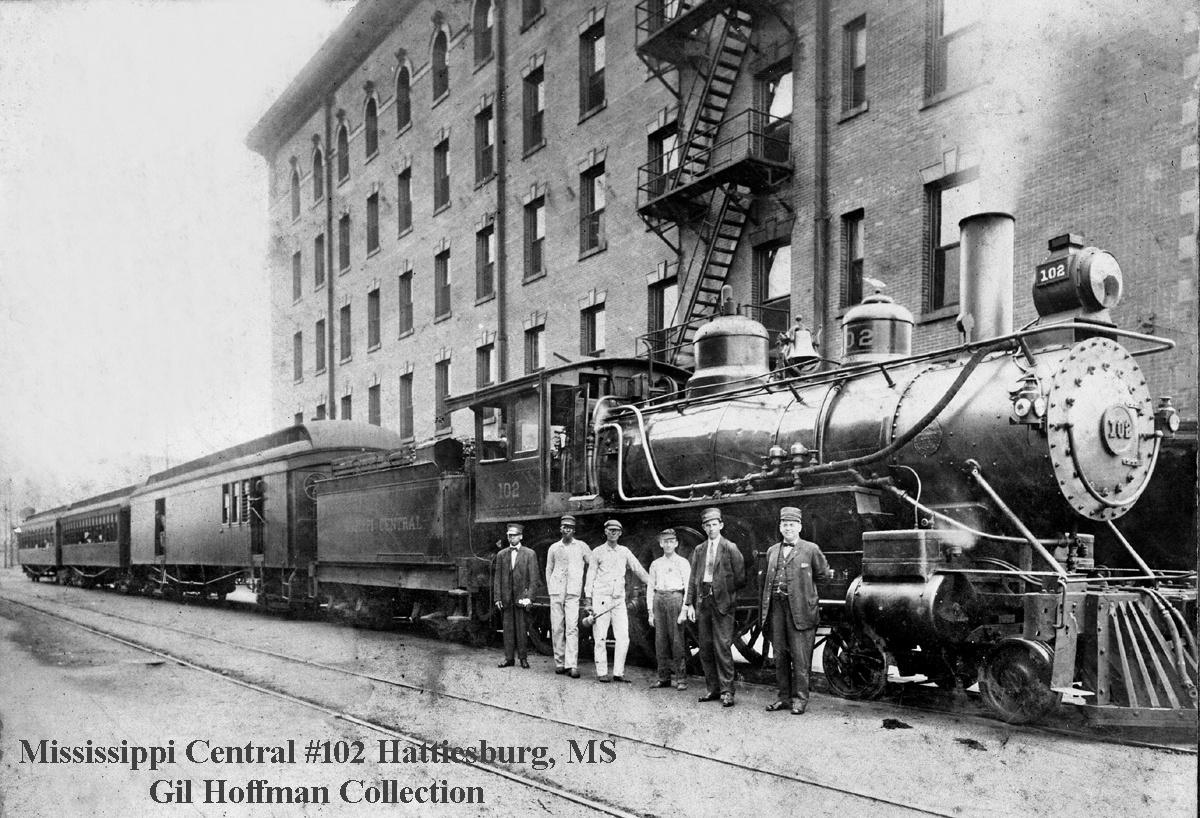
An early MSC passenger train at the Hotel Hattiesburg, which MSC and G&SI used as their passenger depot in Hattiesburg. |
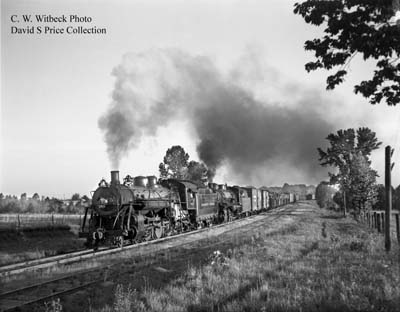
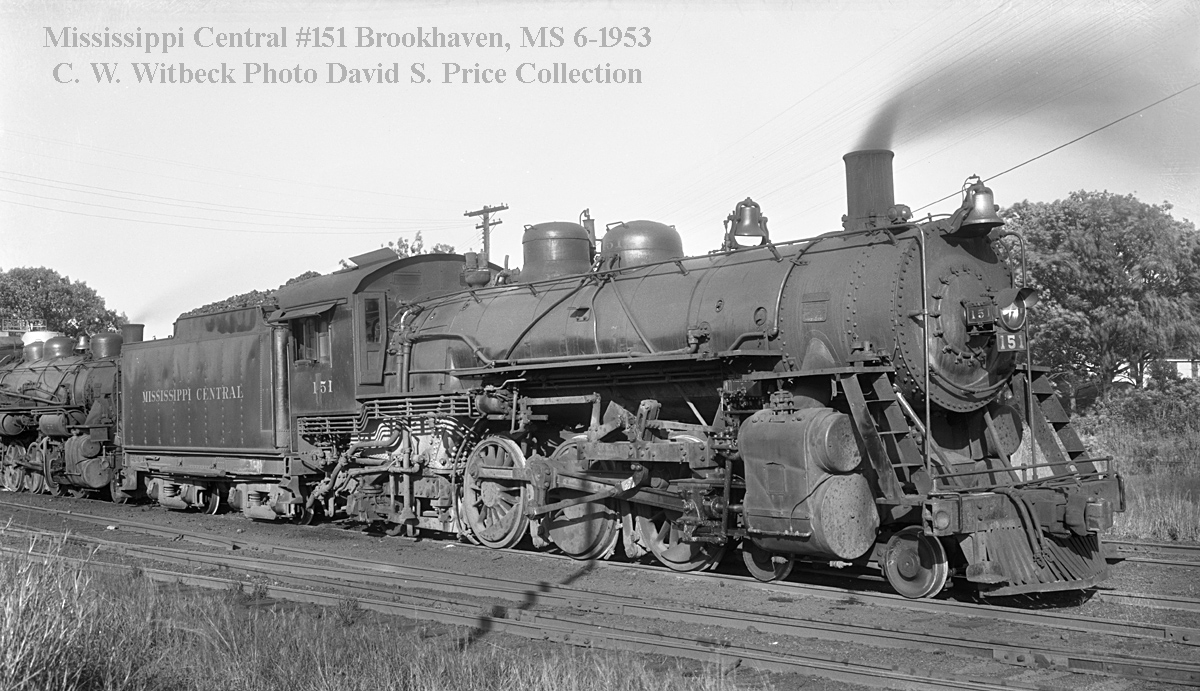
Mississippi Central 150 and 141 doublehead on a freight 52 leaving Brookhaven for Hattiesburg in June 1953.
|
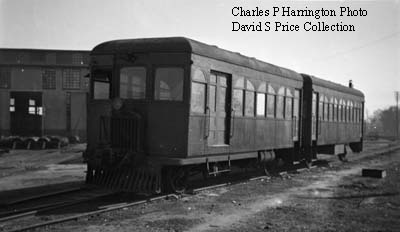
Mississippi Central motorcar 300 was built by the Four Wheel Drive Auto Co. in the early 1920's when the MSC leased GM&N branch from Hattiesburg to Beaumont. After the railroad lost that lease, the cars sat unused at the shops in Hattiesburg, where this photo was taken on August 3, 1938. |
|||||||||||||||||||||||||||||||||||||||||||||||||||||||||||||||||||||||||||||||||||||||||||||||||||||||||||||||||||||||||||||||||||||||||||||||||||||||||||||||||||||||||||||||||||||||||||||||||||||||||||||||||||||||||||||||||||||||||||||||||||||||||||||||||||||||||||||||||||||||||||||||||||||||||||||||||||||||||||||||||||||||||||||||||||||||||||||||||||||||||||||||||||||||||||||||||||||||||||||||||||||||||||||||||||||||||||||
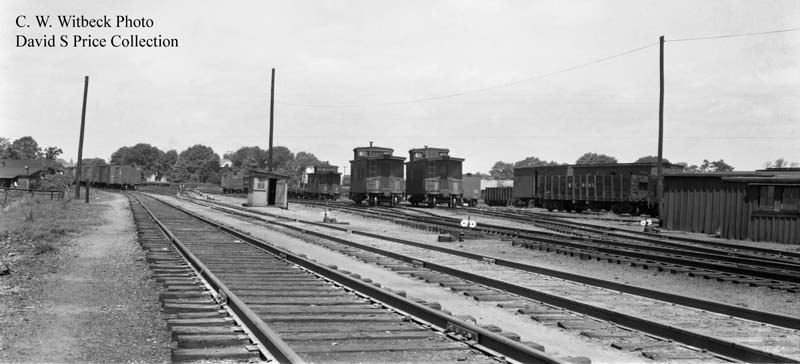
The east end of the Mississippi Central yard looking west on May 1, 1948. The large shop building is just out of the photo to the right. |
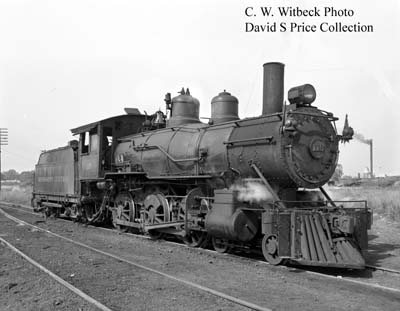
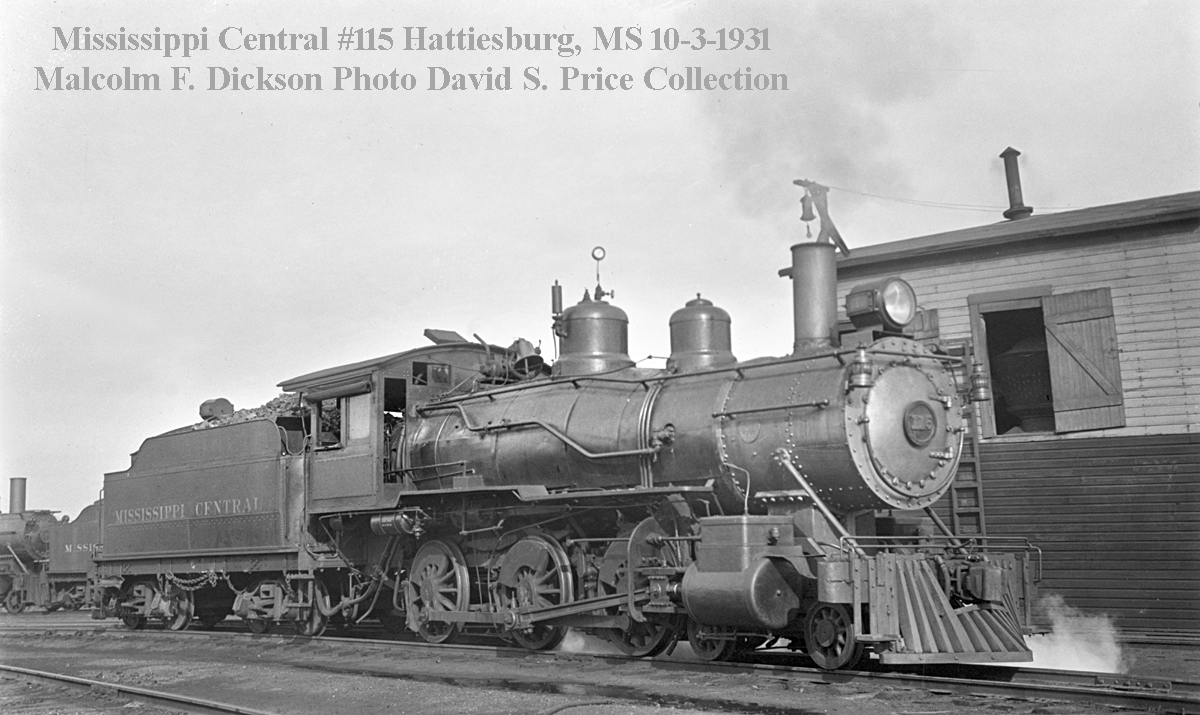
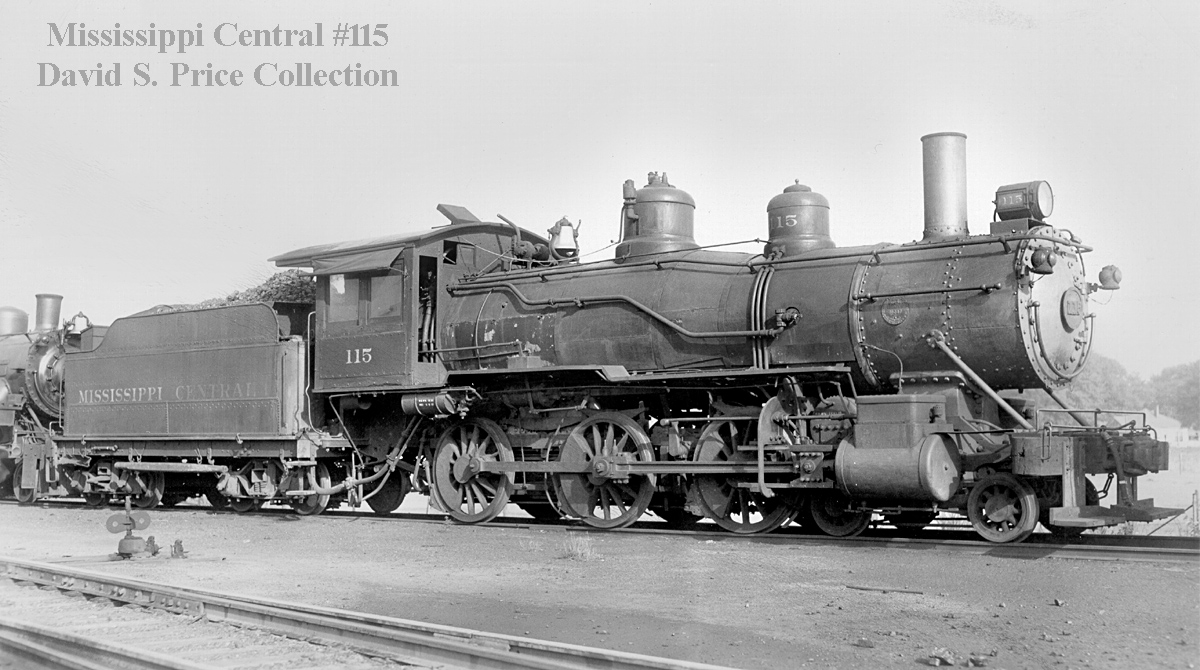
Excellent view of 4-6-0 Number 115 at Brookhaven on September 10, 1948.
|
||||||||||||||||||||||||||||||||||||||||||||||||||||||||||||||||||||||||||||||||||||||||||||||||||||||||||||||||||||||||||||||||||||||||||||||||||||||||||||||||||||||||||||||||||||||||||||||||||||||||||||||||||||||||||||||||||||||||||||||||||||||||||||||||||||||||||||||||||||||||||||||||||||||||||||||||||||||||||||||||||||||||||||||||||||||||||||||||||||||||||||||||||||||||||||||||||||||||||||||||||||||||||||||||||||||||||||||
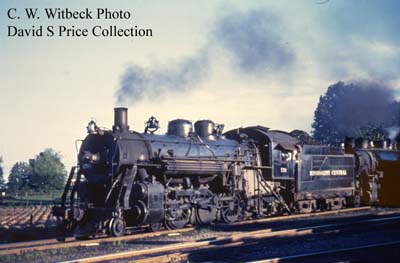
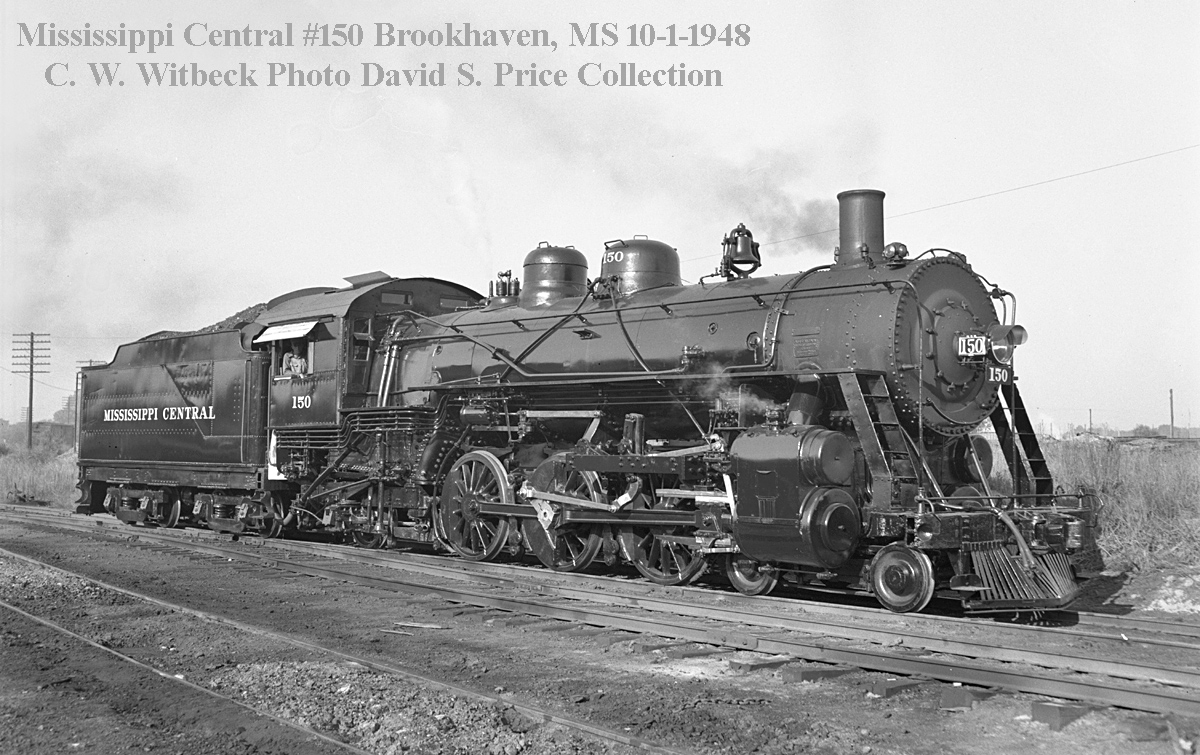
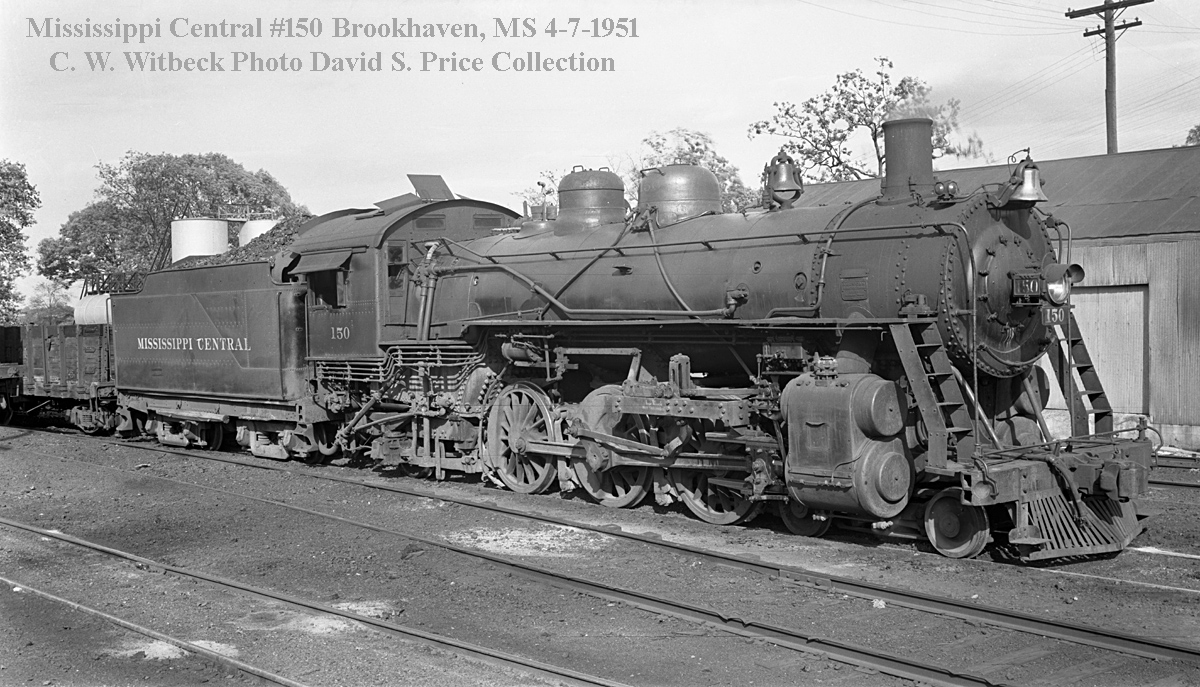
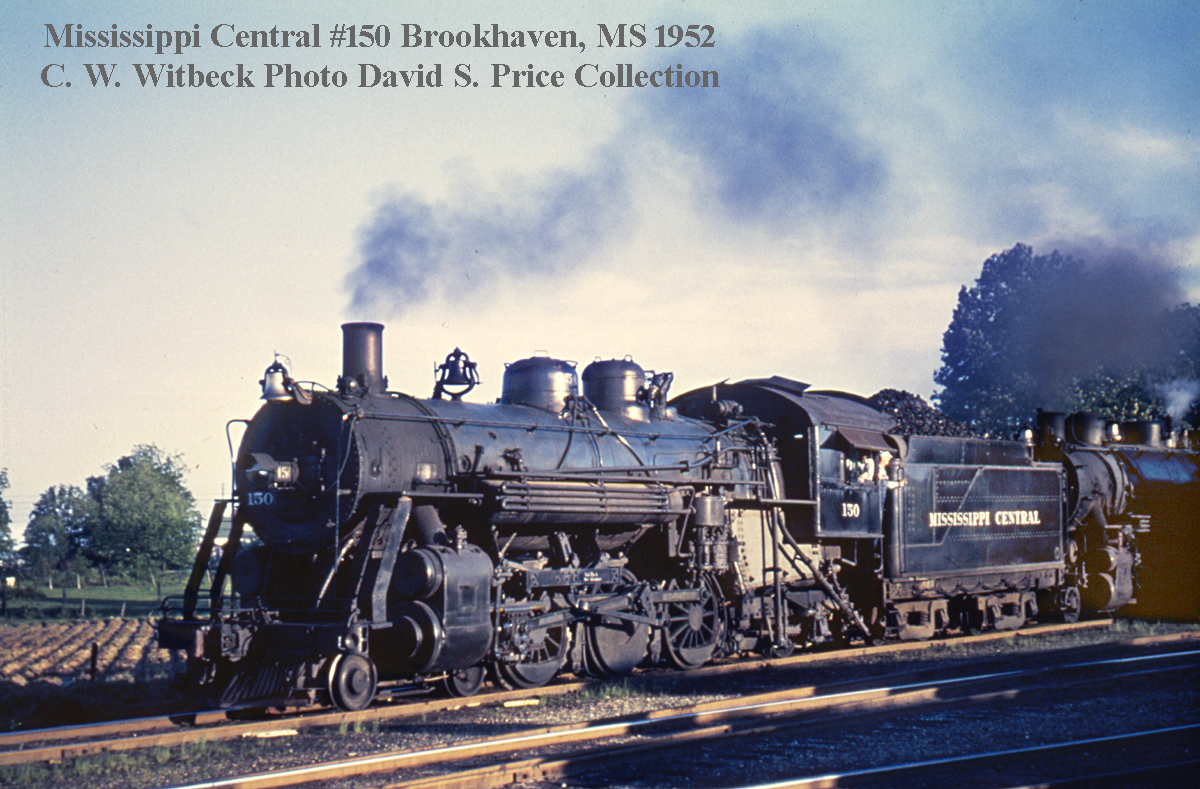
Mississippi Central 150 at Brookhaven in 1953. |
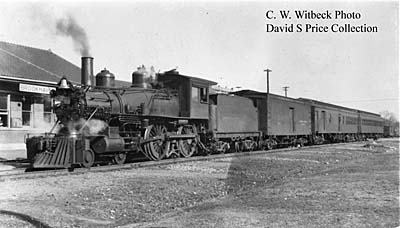
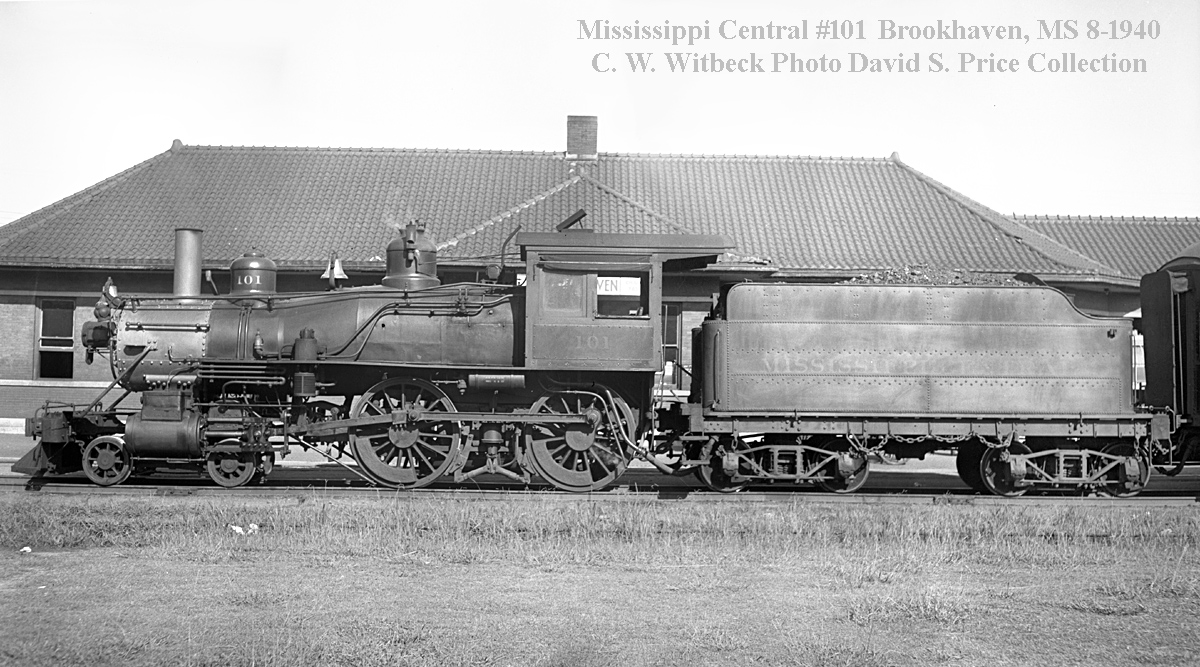
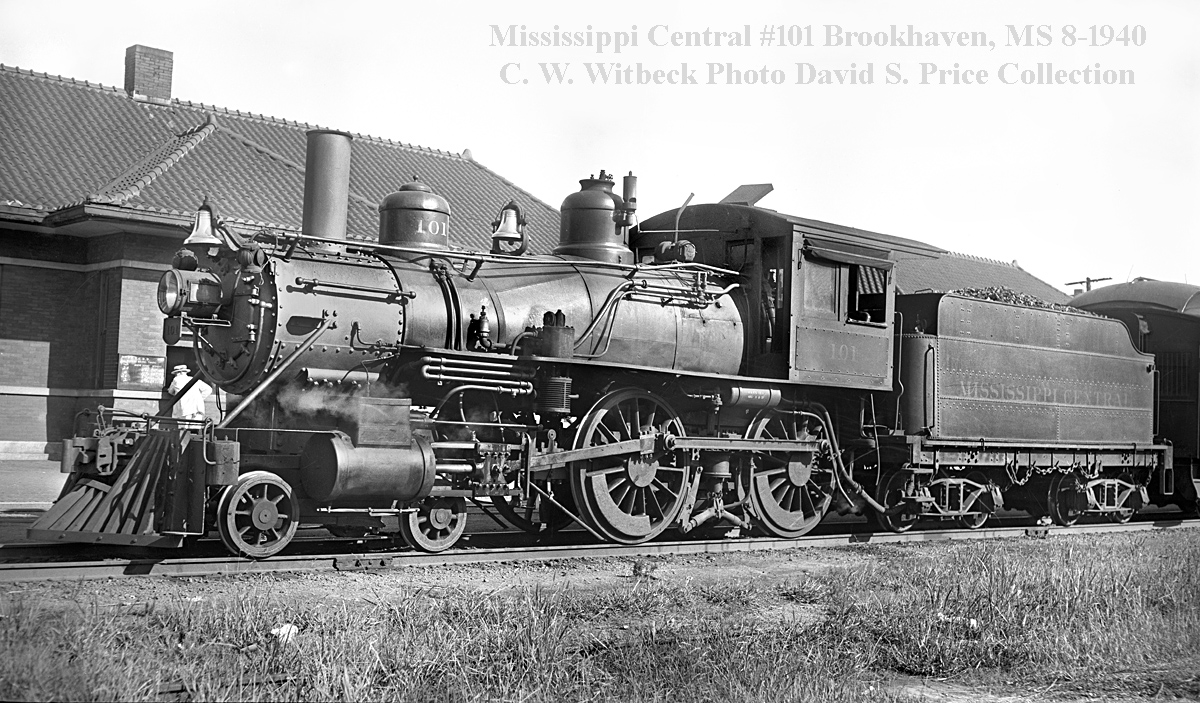
MSC 101 at Brookhaven on February 28, 1941. |
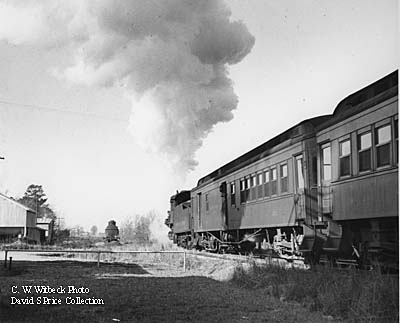
Train 1 leaving Brookhaven. |
|||||||||||||||||||||||||||||||||||||||||||||||||||||||||||||||||||||||||||||||||||||||||||||||||||||||||||||||||||||||||||||||||||||||||||||||||||||||||||||||||||||||||||||||||||||||||||||||||||||||||||||||||||||||||||||||||||||||||||||||||||||||||||||||||||||||||||||||||||||||||||||||||||||||||||||||||||||||||||||||||||||||||||||||||||||||||||||||||||||||||||||||||||||||||||||||||||||||||||||||||||||||||||||||||||||||||||||
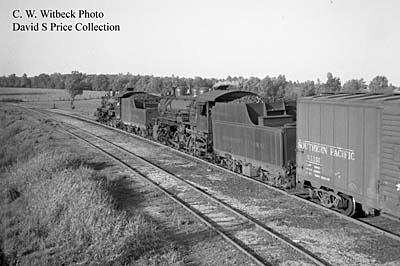
150 and 141 at Brookhaven yard in April 1953. |
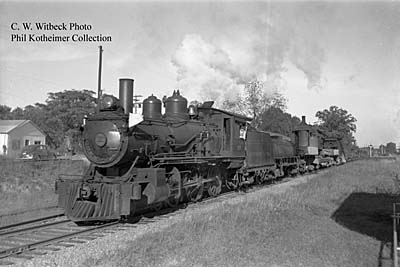
MSC 115 with a westbound work train at Brookhaven in November 1948. |
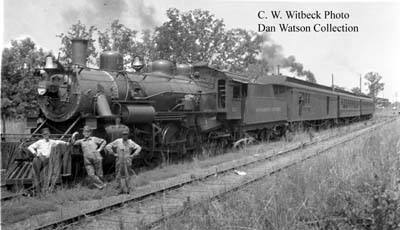
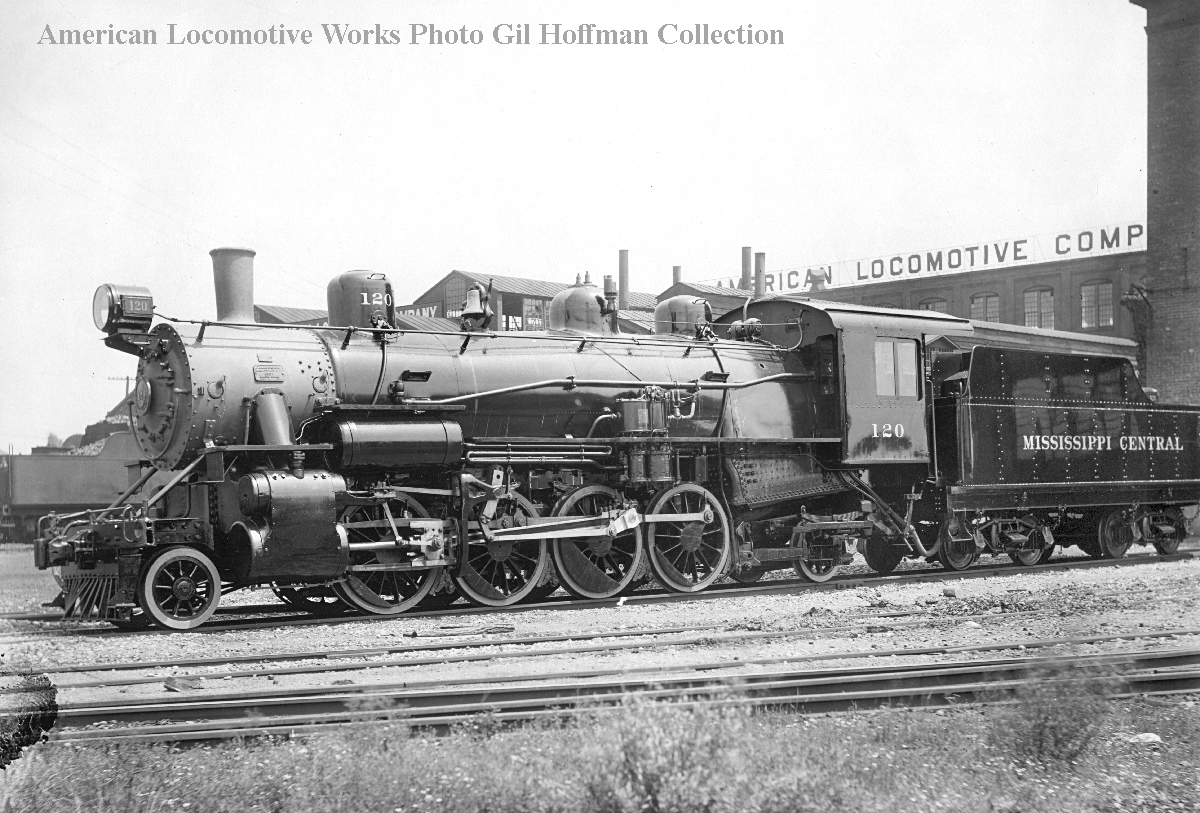
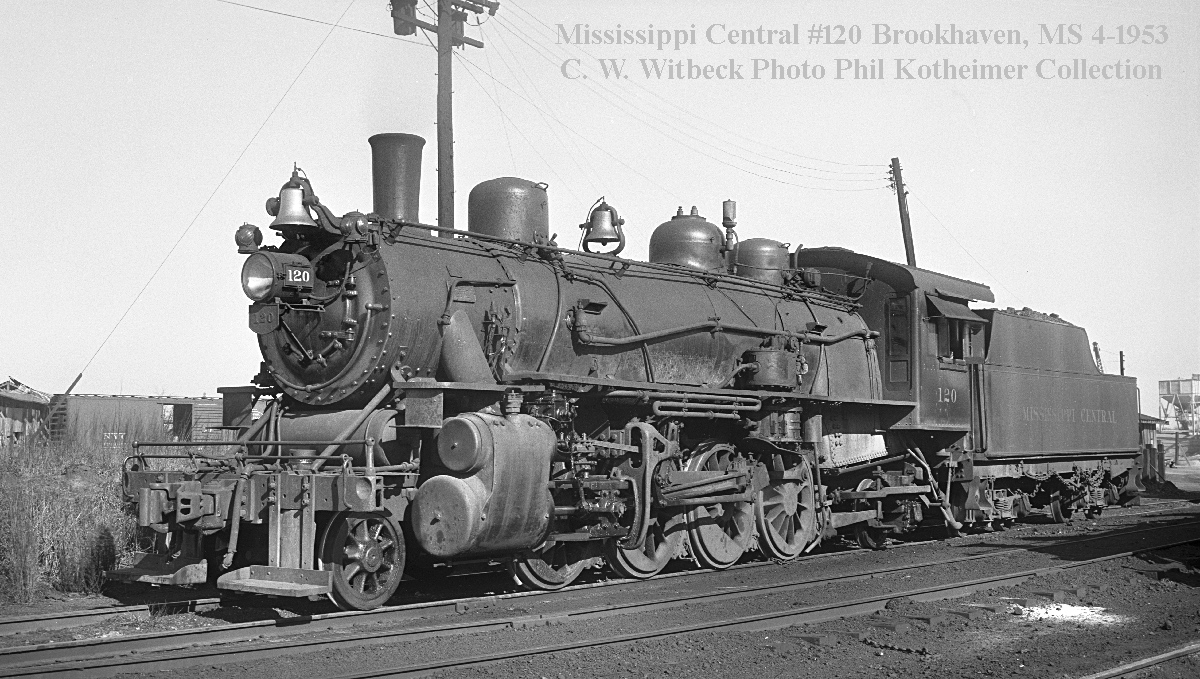
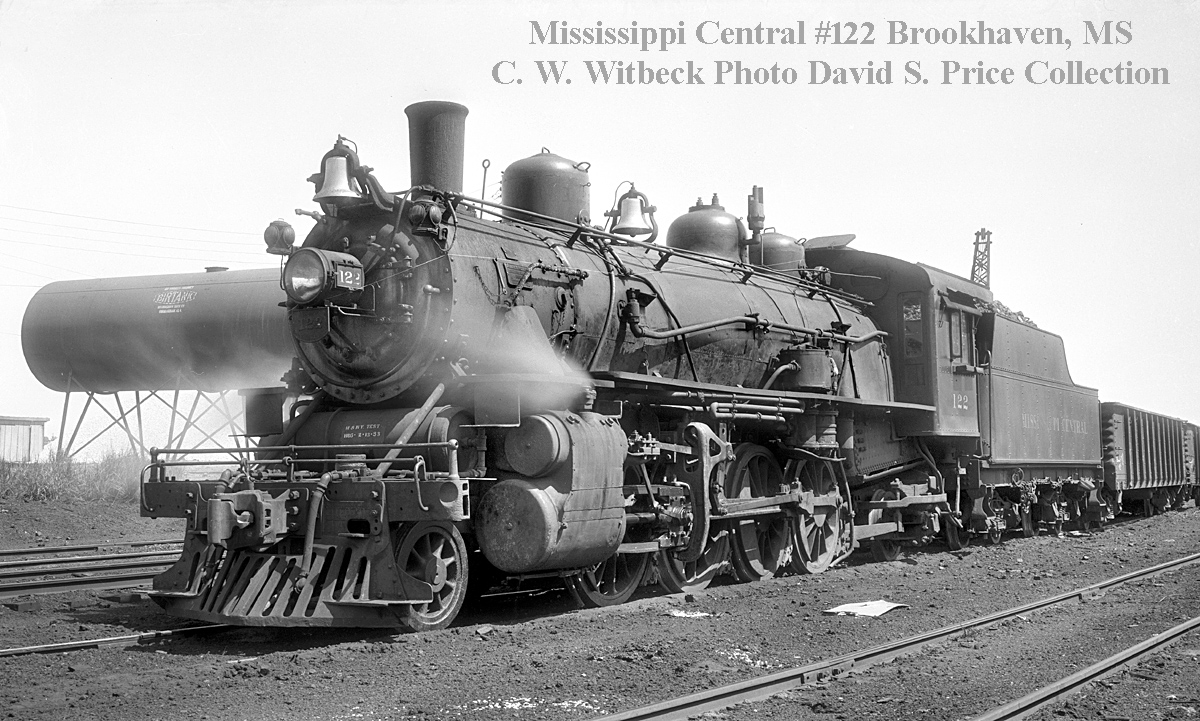
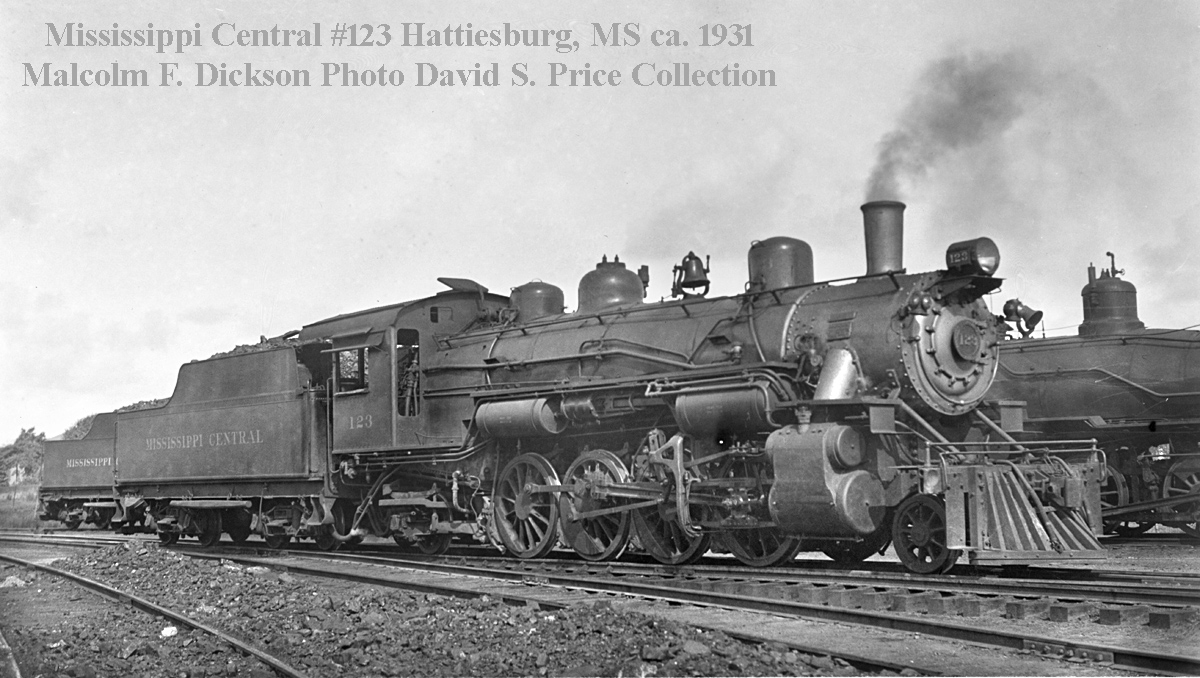
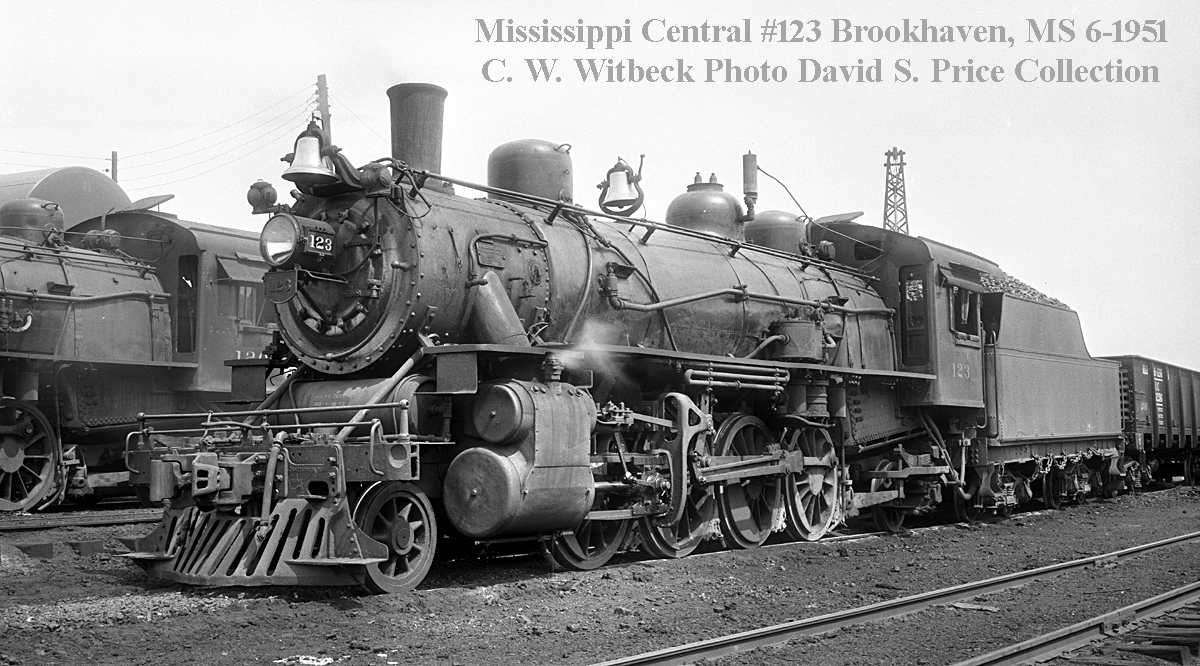
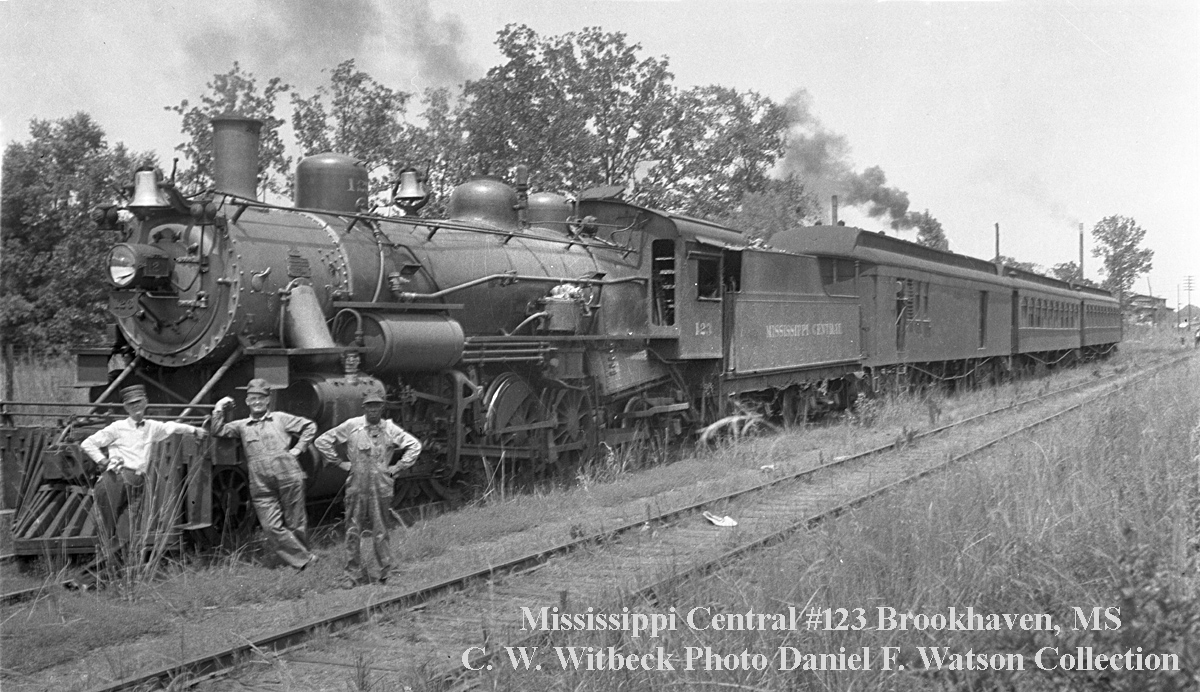
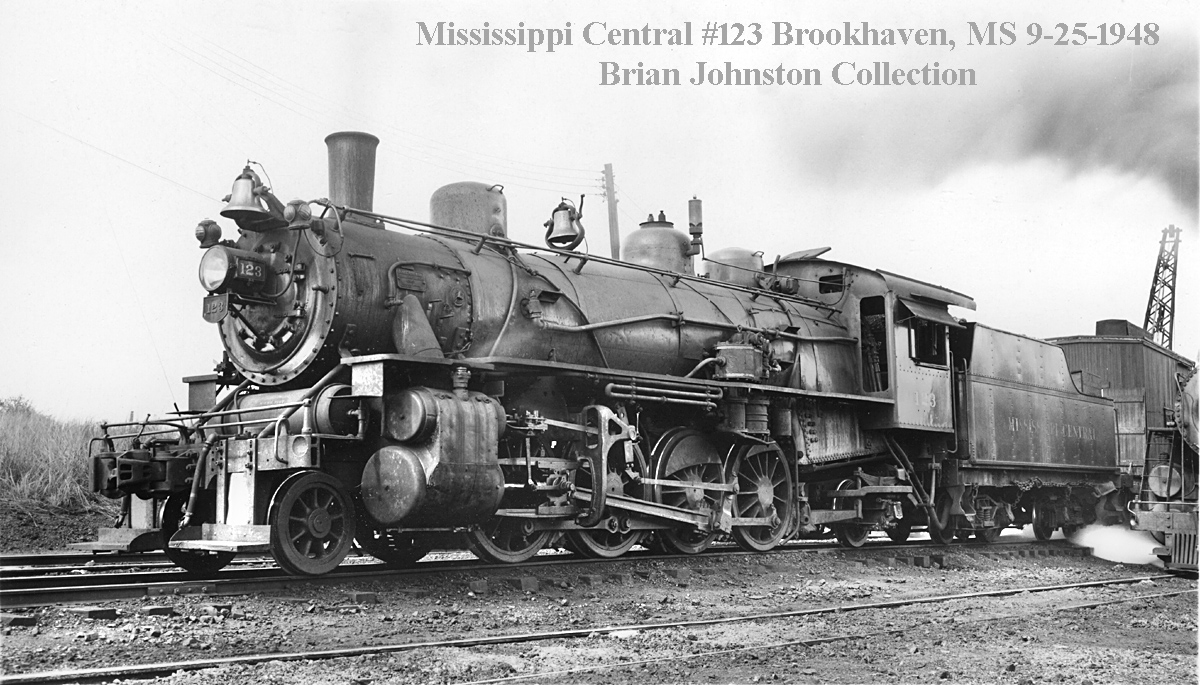
2-8-2 Number 123 on the passenger train at Brookhaven. |
|||||||||||||||||||||||||||||||||||||||||||||||||||||||||||||||||||||||||||||||||||||||||||||||||||||||||||||||||||||||||||||||||||||||||||||||||||||||||||||||||||||||||||||||||||||||||||||||||||||||||||||||||||||||||||||||||||||||||||||||||||||||||||||||||||||||||||||||||||||||||||||||||||||||||||||||||||||||||||||||||||||||||||||||||||||||||||||||||||||||||||||||||||||||||||||||||||||||||||||||||||||||||||||||||||||||||||||
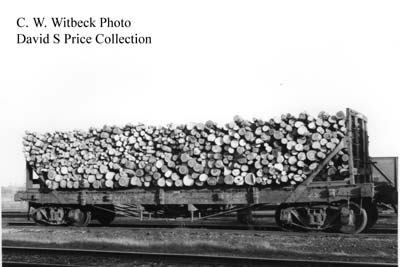
Mississippi Central converted a number of flats, such as 8007, to pulpwood cars starting in the 1920's. |
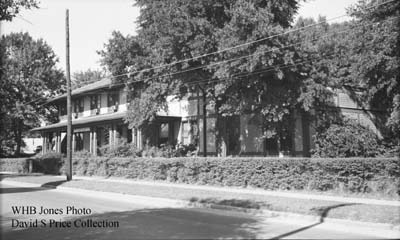
Mississippi Central's office building on Bouie St. near the shops in Hattiesburg on Sept. 4, 1952. |
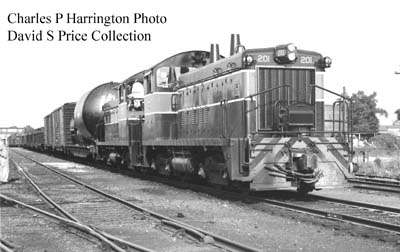
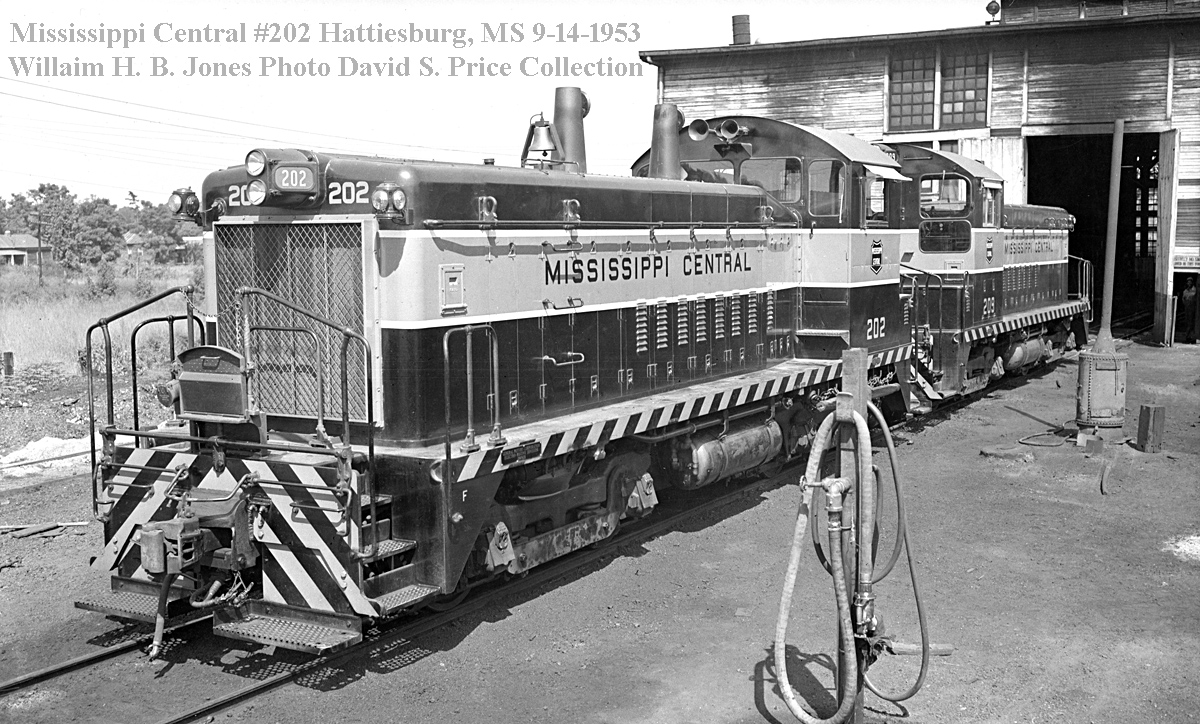
MSC 201 leads a westbound freight out of the Hattiesburg yard on June 3, 1953.
|
|||||||||||||||||||||||||||||||||||||||||||||||||||||||||||||||||||||||||||||||||||||||||||||||||||||||||||||||||||||||||||||||||||||||||||||||||||||||||||||||||||||||||||||||||||||||||||||||||||||||||||||||||||||||||||||||||||||||||||||||||||||||||||||||||||||||||||||||||||||||||||||||||||||||||||||||||||||||||||||||||||||||||||||||||||||||||||||||||||||||||||||||||||||||||||||||||||||||||||||||||||||||||||||||||||||||||||||
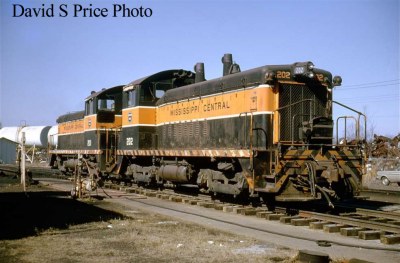
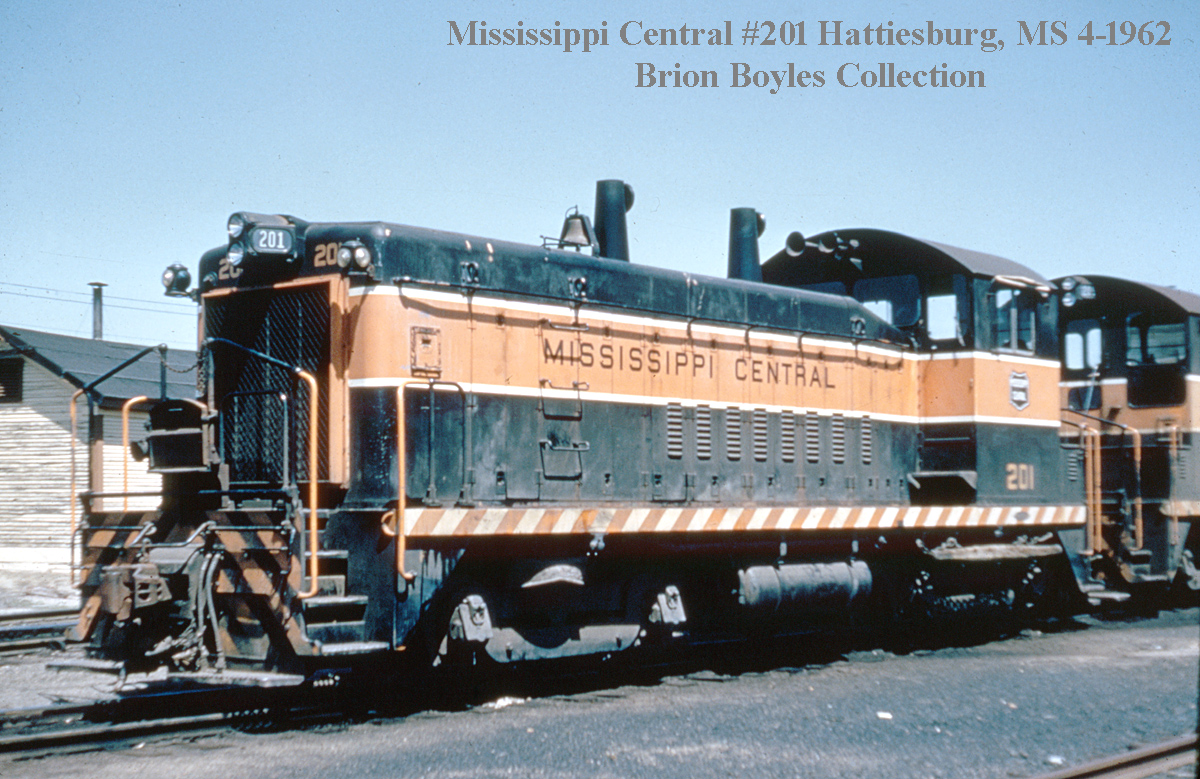
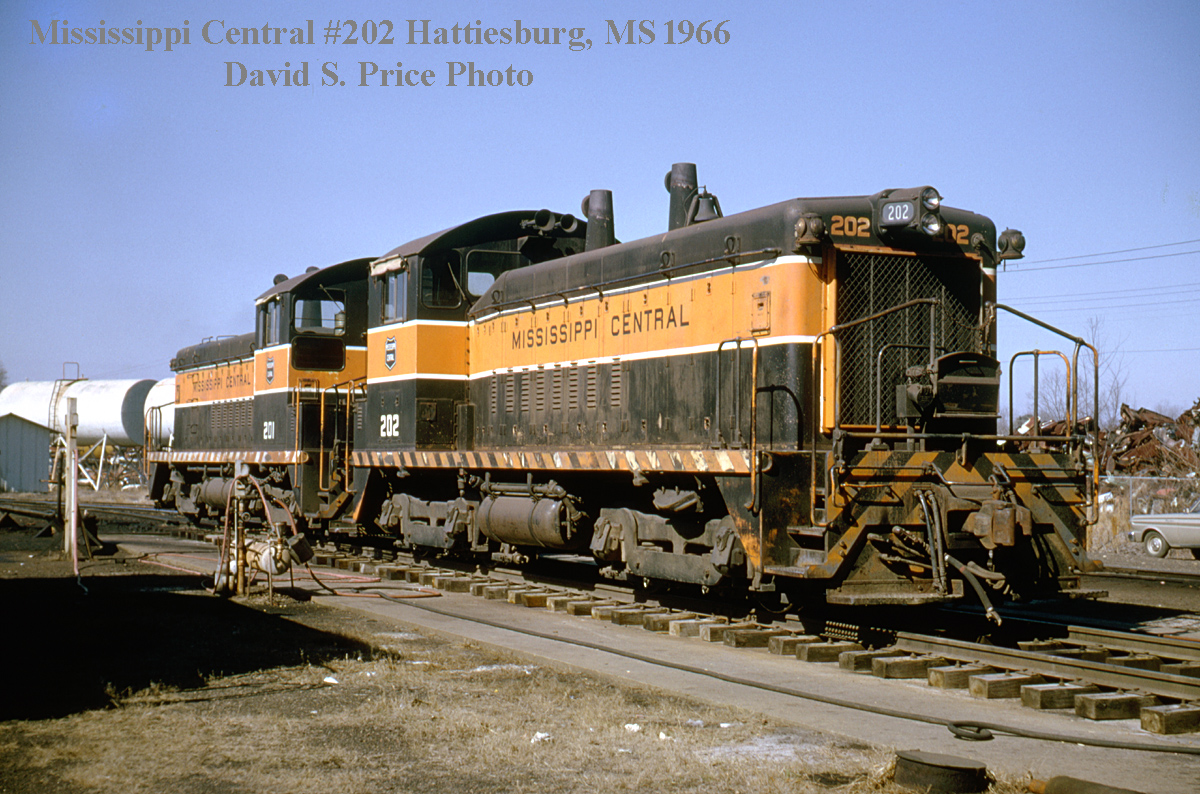
202 and 201 at Hattiesburg in 1966. |
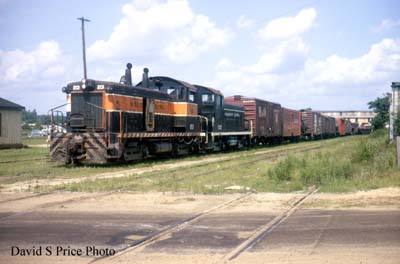
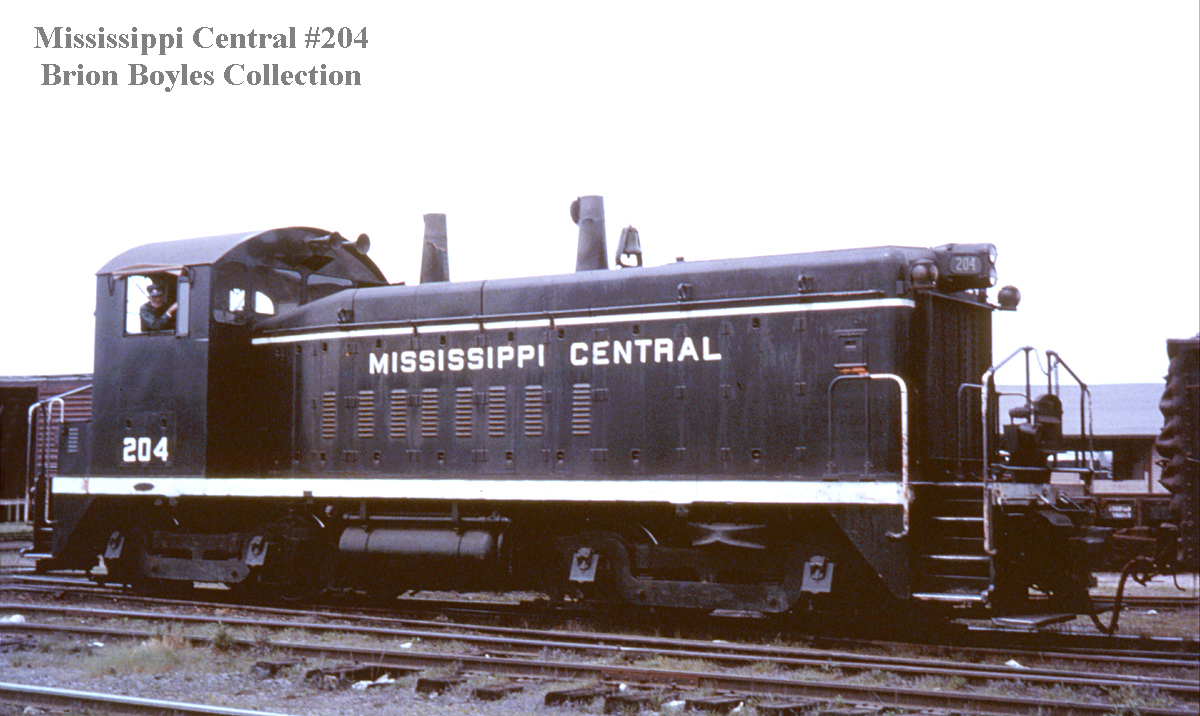
The black SW9 is a hint of things to come as the merger into Illinois Central is about a year away in this 1966 photo at Hattiesburg. |
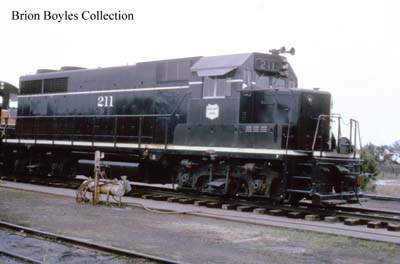
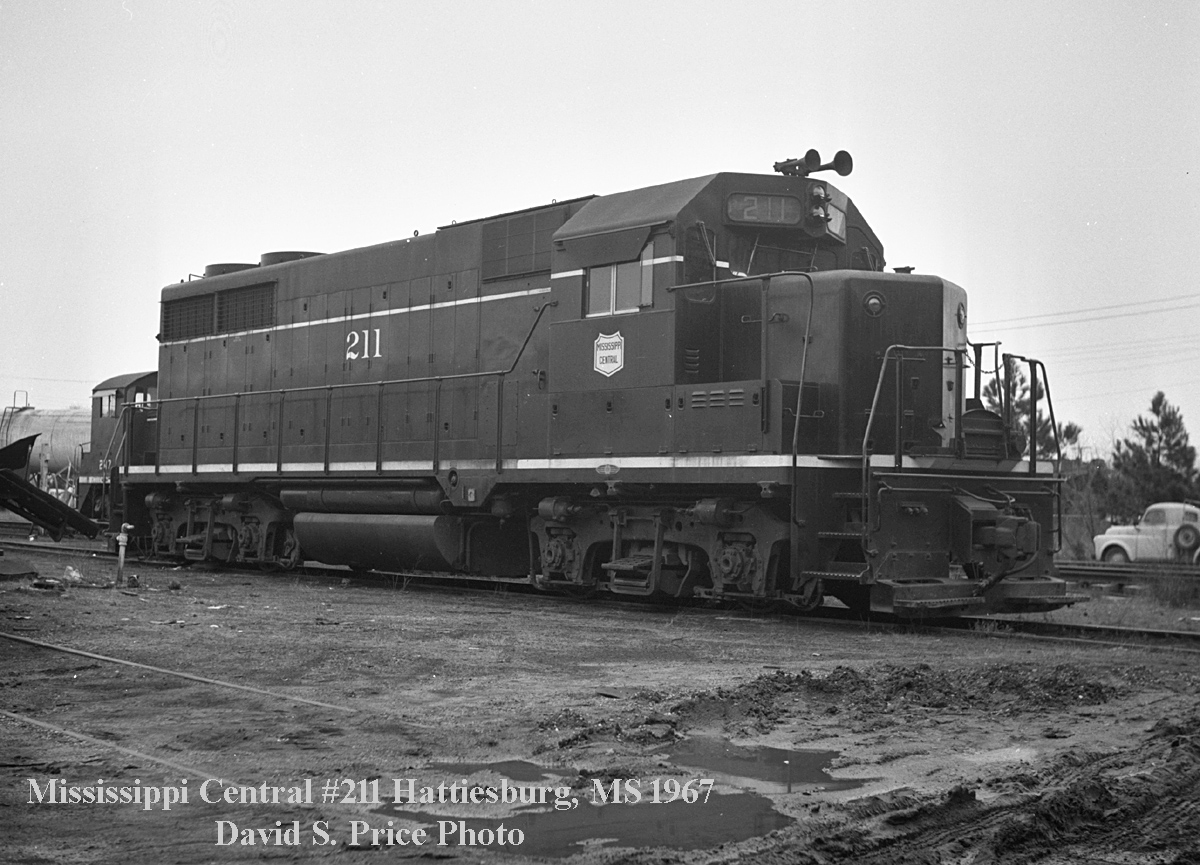
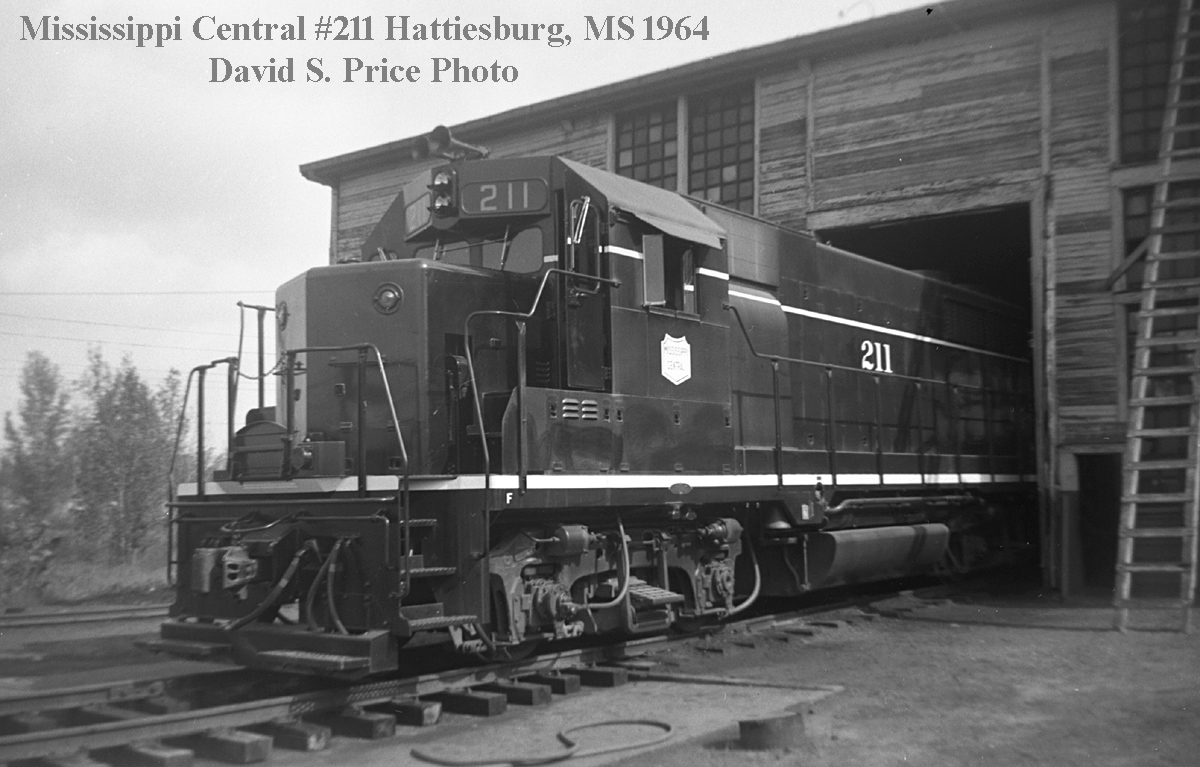
MSC 211, an EMD GP28 was built in 1964.
|
|||||||||||||||||||||||||||||||||||||||||||||||||||||||||||||||||||||||||||||||||||||||||||||||||||||||||||||||||||||||||||||||||||||||||||||||||||||||||||||||||||||||||||||||||||||||||||||||||||||||||||||||||||||||||||||||||||||||||||||||||||||||||||||||||||||||||||||||||||||||||||||||||||||||||||||||||||||||||||||||||||||||||||||||||||||||||||||||||||||||||||||||||||||||||||||||||||||||||||||||||||||||||||||||||||||||||||||
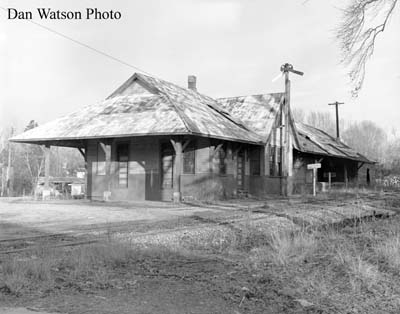
Mississippi Central's classic depot at Sumrall in 1970.
|
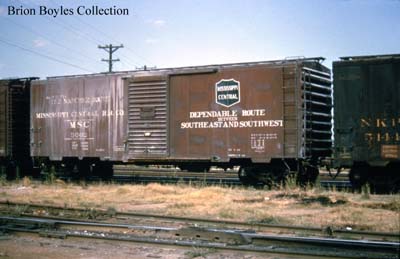
Pullman-Standard 40' boxcar 5002. |
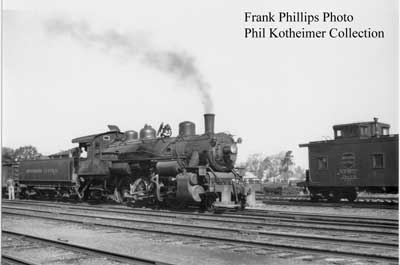
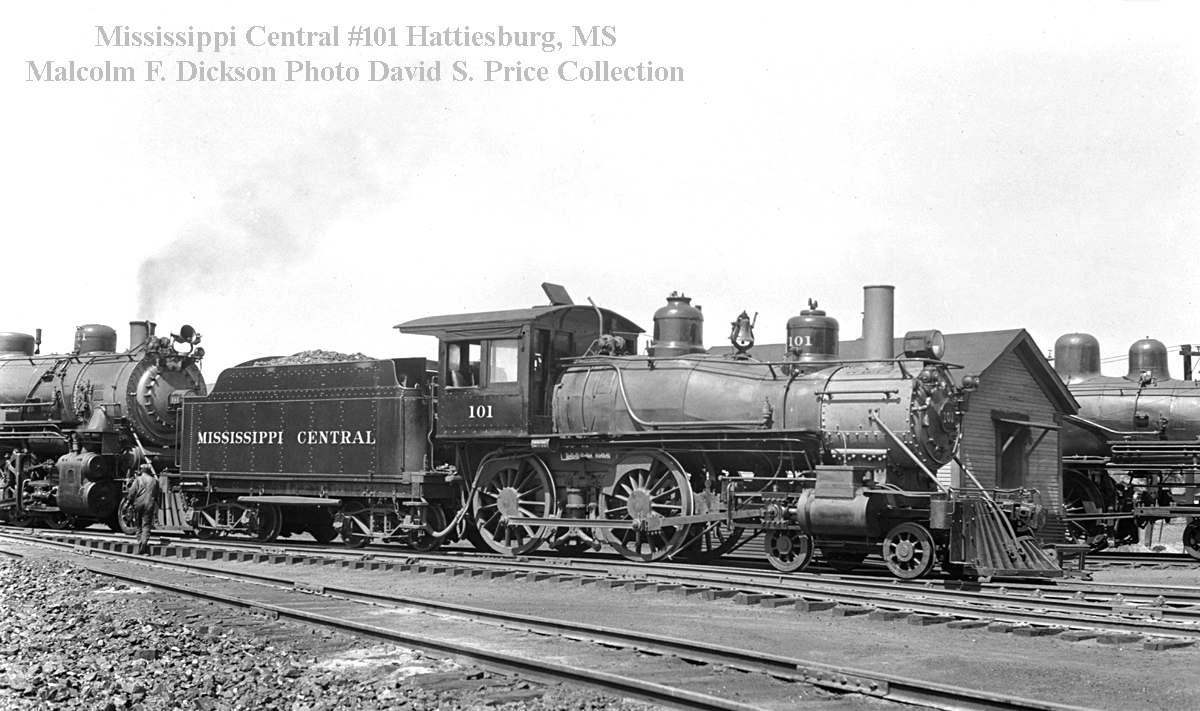
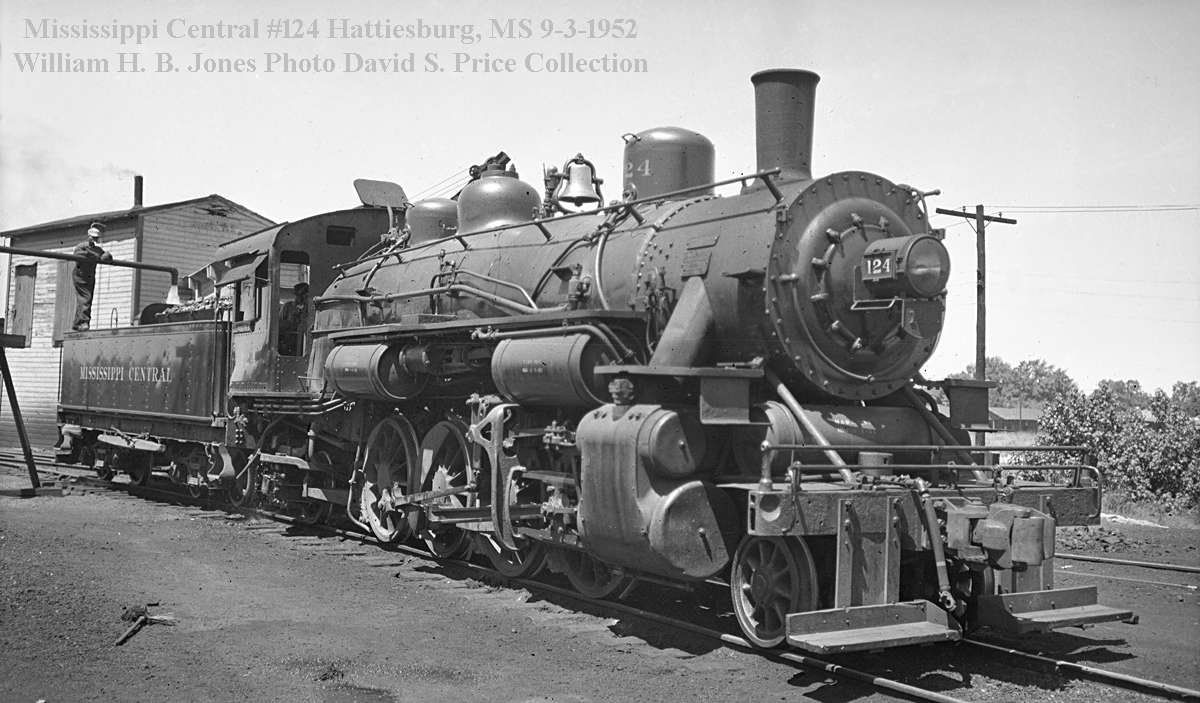
MSC No. 124 switches Hattiesburg yard, a regular assignment for the engine.
|
|||||||||||||||||||||||||||||||||||||||||||||||||||||||||||||||||||||||||||||||||||||||||||||||||||||||||||||||||||||||||||||||||||||||||||||||||||||||||||||||||||||||||||||||||||||||||||||||||||||||||||||||||||||||||||||||||||||||||||||||||||||||||||||||||||||||||||||||||||||||||||||||||||||||||||||||||||||||||||||||||||||||||||||||||||||||||||||||||||||||||||||||||||||||||||||||||||||||||||||||||||||||||||||||||||||||||||||
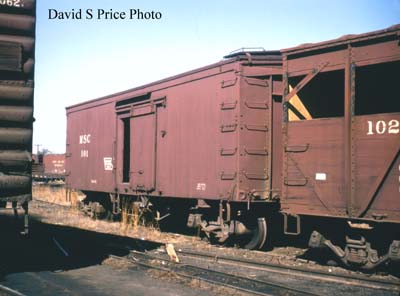
MSC 36' boxcar 101 was still used for company service in 1966. |
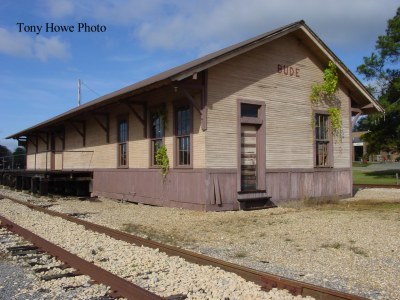
The depot in Bude has been preserved. |
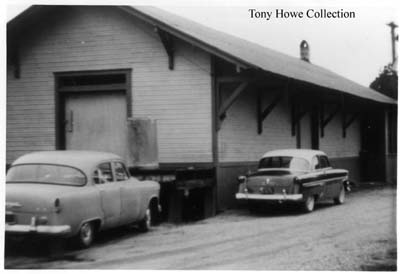
Mississippi Central's depot in Roxie in 1954. |
|||||||||||||||||||||||||||||||||||||||||||||||||||||||||||||||||||||||||||||||||||||||||||||||||||||||||||||||||||||||||||||||||||||||||||||||||||||||||||||||||||||||||||||||||||||||||||||||||||||||||||||||||||||||||||||||||||||||||||||||||||||||||||||||||||||||||||||||||||||||||||||||||||||||||||||||||||||||||||||||||||||||||||||||||||||||||||||||||||||||||||||||||||||||||||||||||||||||||||||||||||||||||||||||||||||||||||||
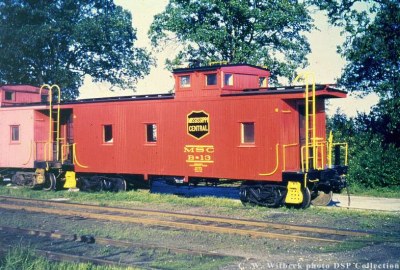
Mississippi Central caboose B-13 in color. |
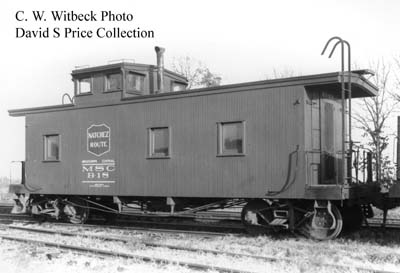
MSC B-18 at Brookhaven in December 1937. |
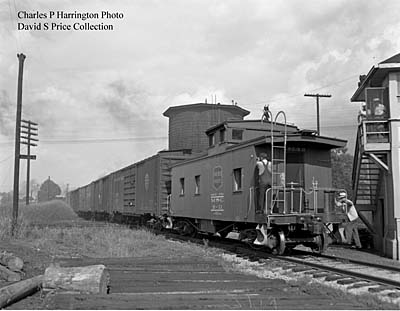
Caboose B-11 at Brookhaven tower on an arriving freight on July 26, 1948. |
|||||||||||||||||||||||||||||||||||||||||||||||||||||||||||||||||||||||||||||||||||||||||||||||||||||||||||||||||||||||||||||||||||||||||||||||||||||||||||||||||||||||||||||||||||||||||||||||||||||||||||||||||||||||||||||||||||||||||||||||||||||||||||||||||||||||||||||||||||||||||||||||||||||||||||||||||||||||||||||||||||||||||||||||||||||||||||||||||||||||||||||||||||||||||||||||||||||||||||||||||||||||||||||||||||||||||||||
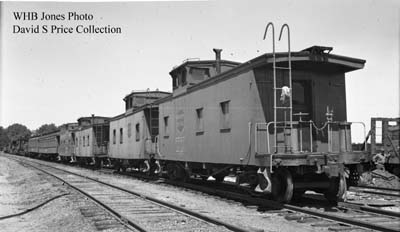
Caboose B-14 in the Hattiesburg caboose track on Sept. 3, 1952. |
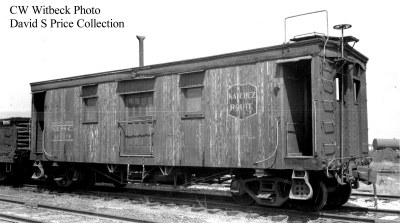
Caboose B-19 was rebuilt from what appears to be an ex-Southern Railway SU-class 36' boxcar. |
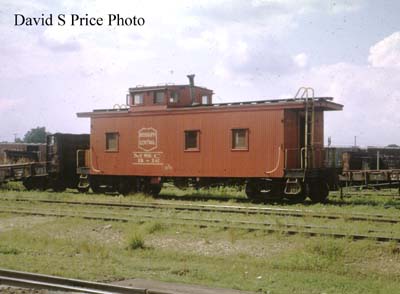
Caboose B-12 at Hattiesburg in August 1966. |
|||||||||||||||||||||||||||||||||||||||||||||||||||||||||||||||||||||||||||||||||||||||||||||||||||||||||||||||||||||||||||||||||||||||||||||||||||||||||||||||||||||||||||||||||||||||||||||||||||||||||||||||||||||||||||||||||||||||||||||||||||||||||||||||||||||||||||||||||||||||||||||||||||||||||||||||||||||||||||||||||||||||||||||||||||||||||||||||||||||||||||||||||||||||||||||||||||||||||||||||||||||||||||||||||||||||||||||
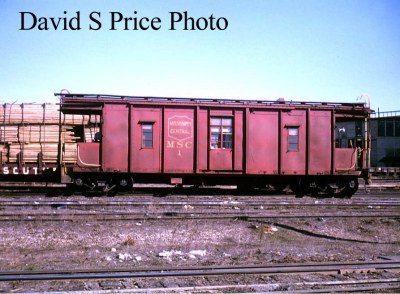
MSC caboose 1 at Hattiesburg in 1966. |
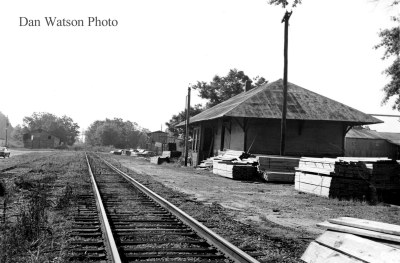
The Mississippi Central depot at Bassfield looking east. Today the Longleaf Trace, a popular hiking and biking trail occupies the mainline right-of-way here. |
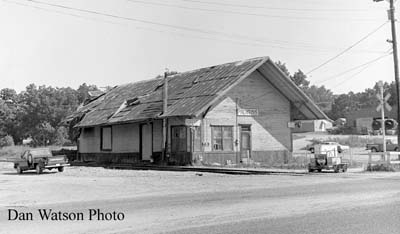
The MSC depot at Prentiss didn't last much longer after this photo taken on June 26, 1974. |
|||||||||||||||||||||||||||||||||||||||||||||||||||||||||||||||||||||||||||||||||||||||||||||||||||||||||||||||||||||||||||||||||||||||||||||||||||||||||||||||||||||||||||||||||||||||||||||||||||||||||||||||||||||||||||||||||||||||||||||||||||||||||||||||||||||||||||||||||||||||||||||||||||||||||||||||||||||||||||||||||||||||||||||||||||||||||||||||||||||||||||||||||||||||||||||||||||||||||||||||||||||||||||||||||||||||||||||
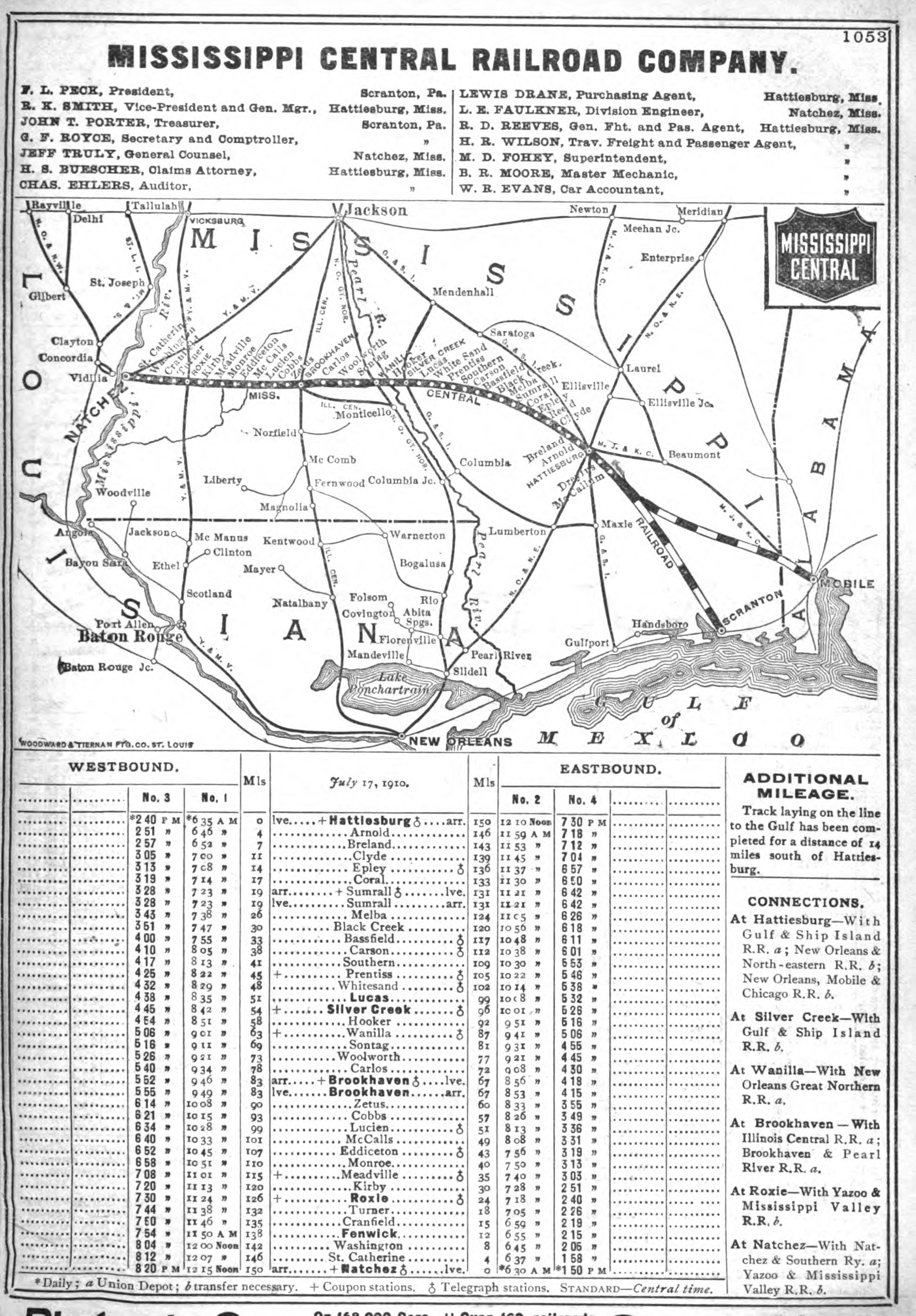 September 1910 Official Guide of the Railways |
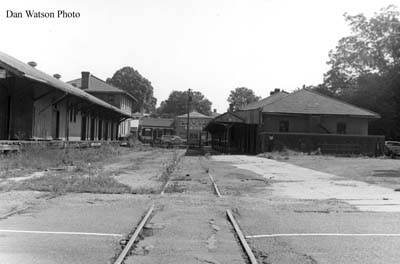
Mississippi Central's 3 track stub terminal at Natchez about 1970. |
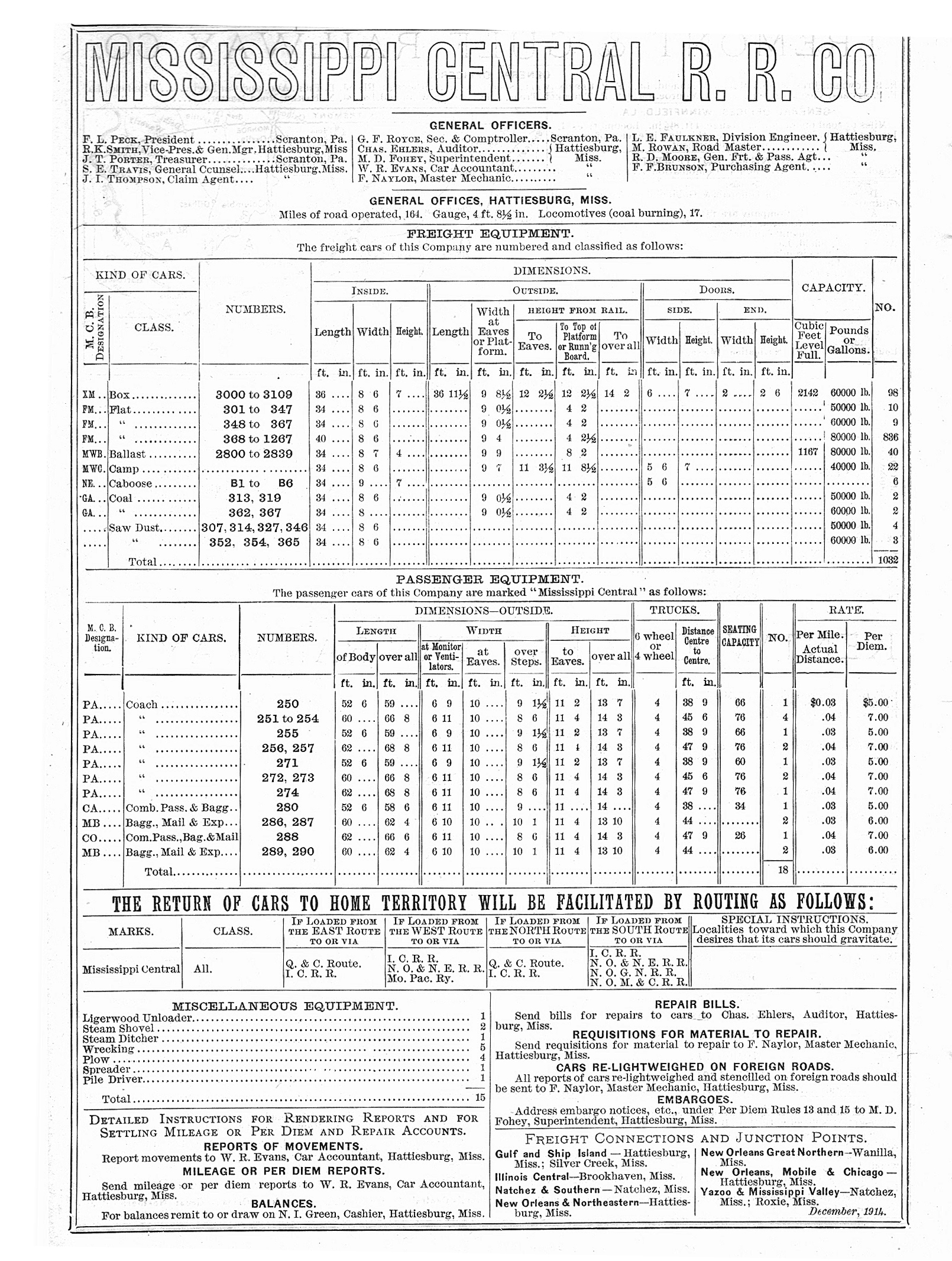 January 1915 Official Railway Equipment Register- Art Richardson Collection |
|||||||||||||||||||||||||||||||||||||||||||||||||||||||||||||||||||||||||||||||||||||||||||||||||||||||||||||||||||||||||||||||||||||||||||||||||||||||||||||||||||||||||||||||||||||||||||||||||||||||||||||||||||||||||||||||||||||||||||||||||||||||||||||||||||||||||||||||||||||||||||||||||||||||||||||||||||||||||||||||||||||||||||||||||||||||||||||||||||||||||||||||||||||||||||||||||||||||||||||||||||||||||||||||||||||||||||||
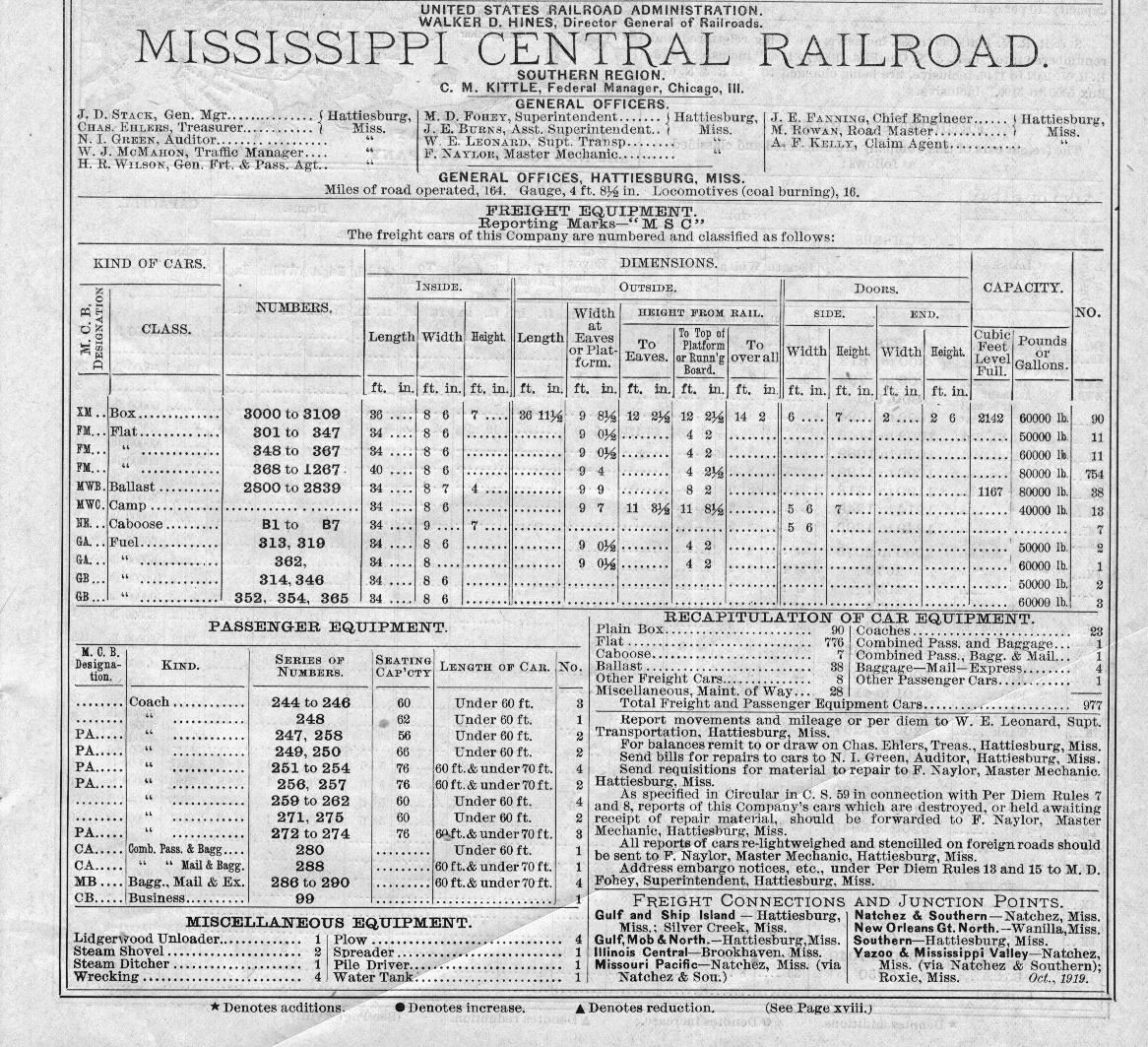 October 1919 Official Railway Equipment Register- Art Richardson Collection |
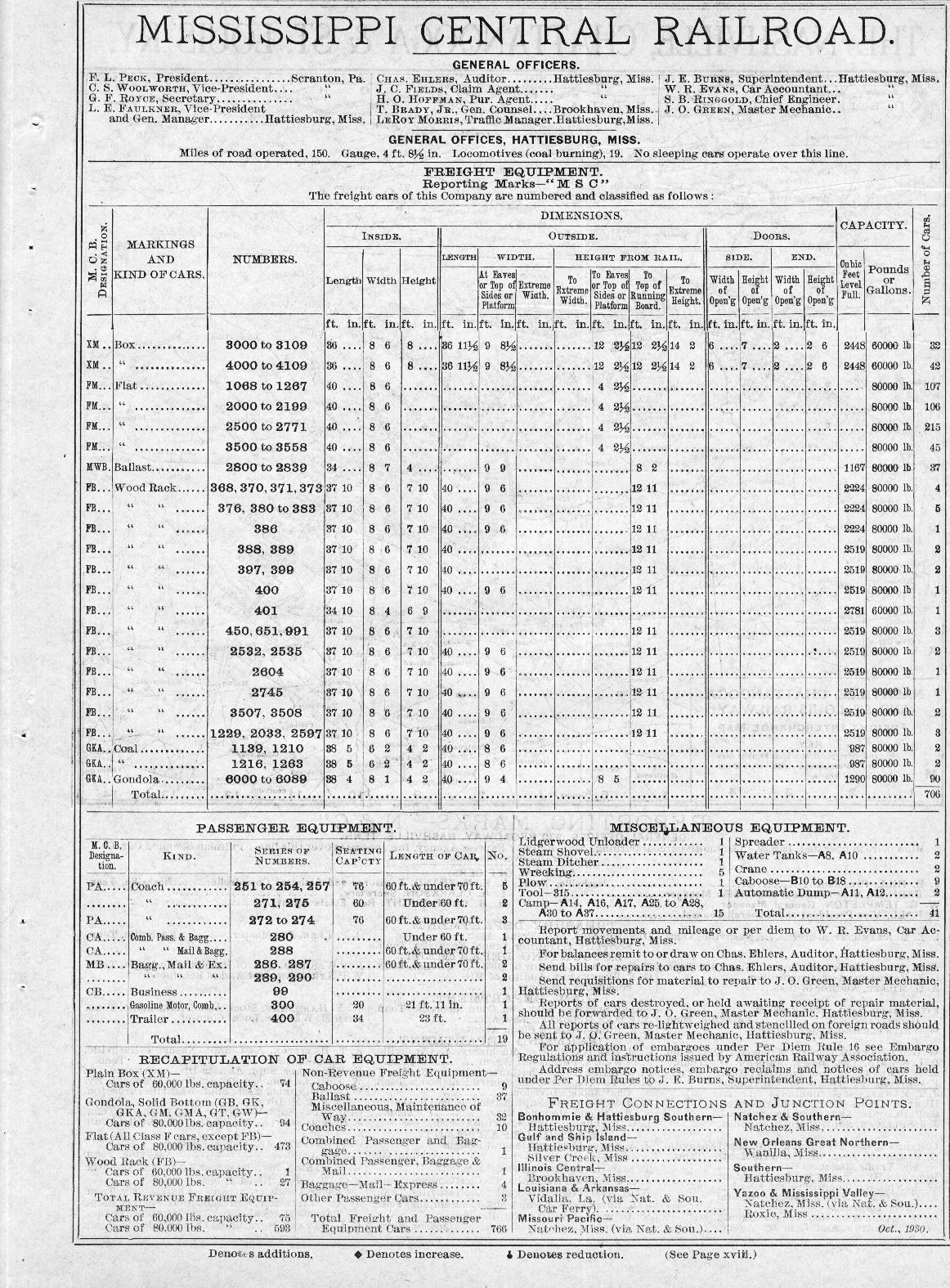 December 1930 Official Railway Equipment Register- Art Richardson Collection |
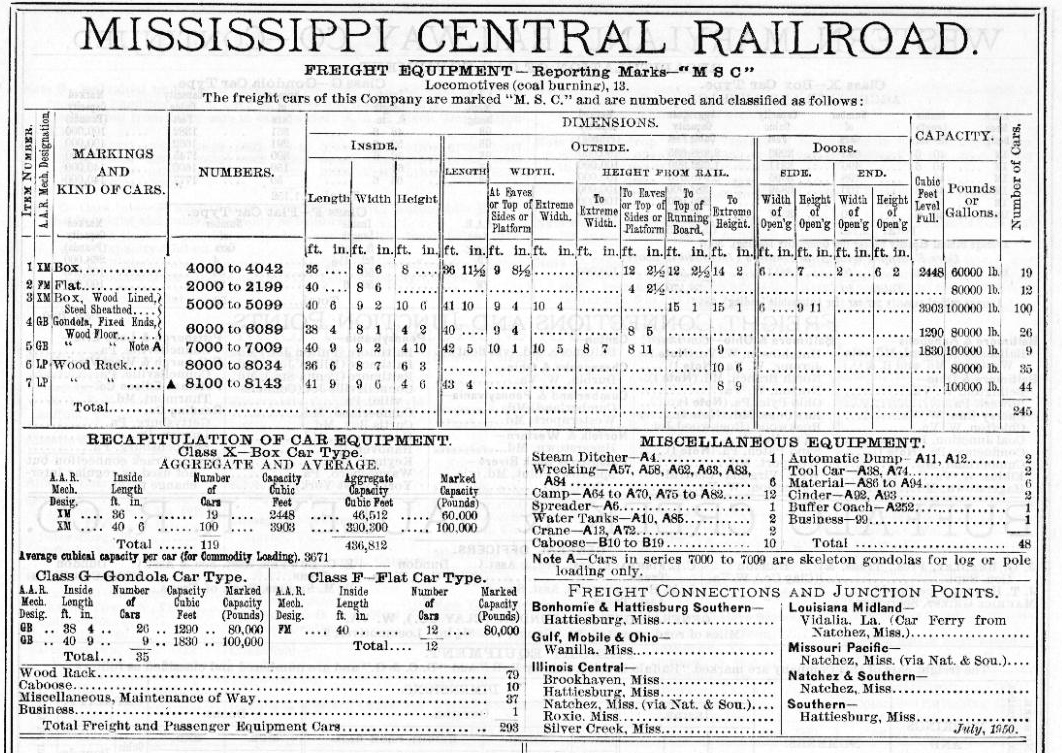 July 1950 Official Railway Equipment Register- Art Richardson Collection |
|||||||||||||||||||||||||||||||||||||||||||||||||||||||||||||||||||||||||||||||||||||||||||||||||||||||||||||||||||||||||||||||||||||||||||||||||||||||||||||||||||||||||||||||||||||||||||||||||||||||||||||||||||||||||||||||||||||||||||||||||||||||||||||||||||||||||||||||||||||||||||||||||||||||||||||||||||||||||||||||||||||||||||||||||||||||||||||||||||||||||||||||||||||||||||||||||||||||||||||||||||||||||||||||||||||||||||||
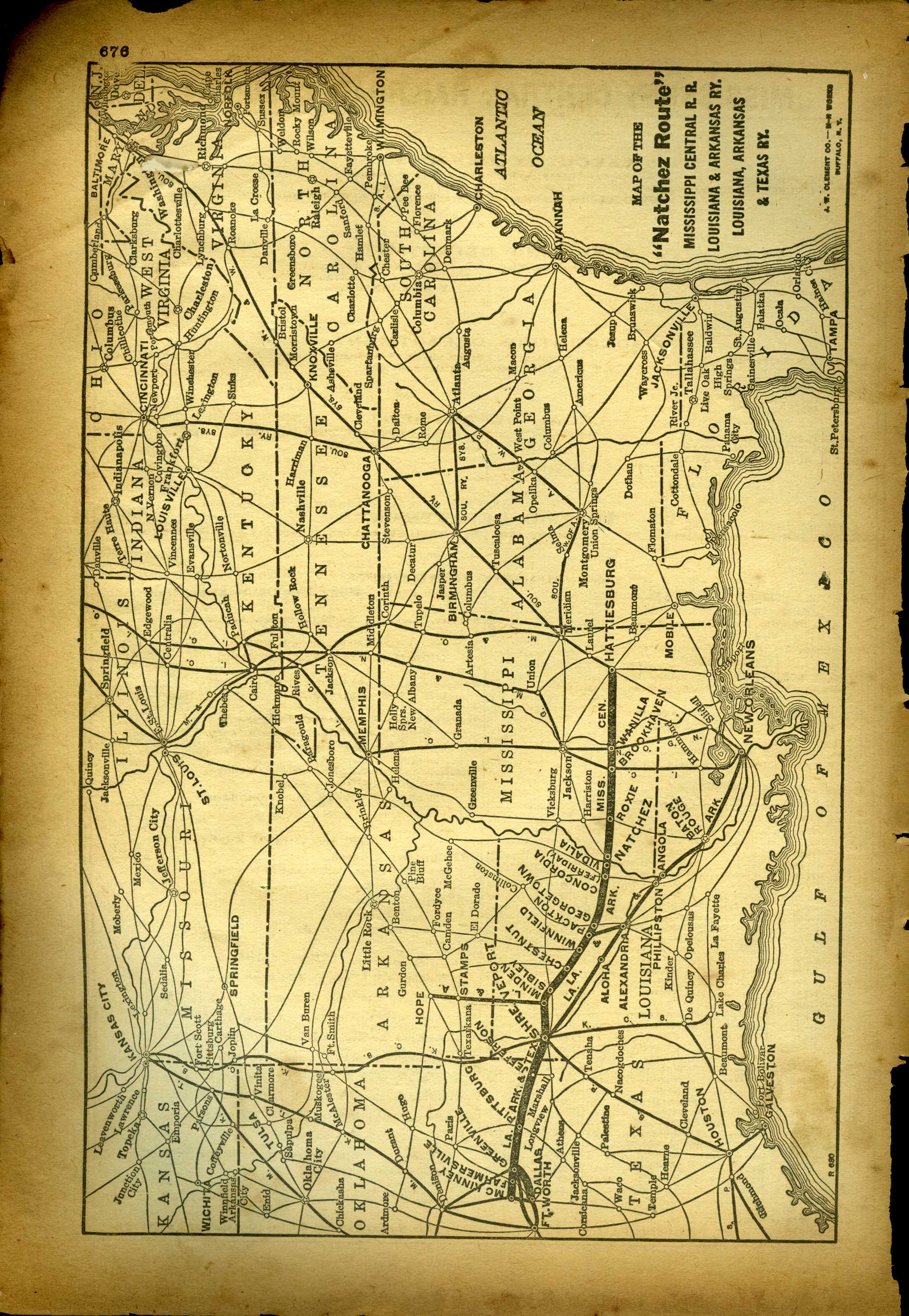 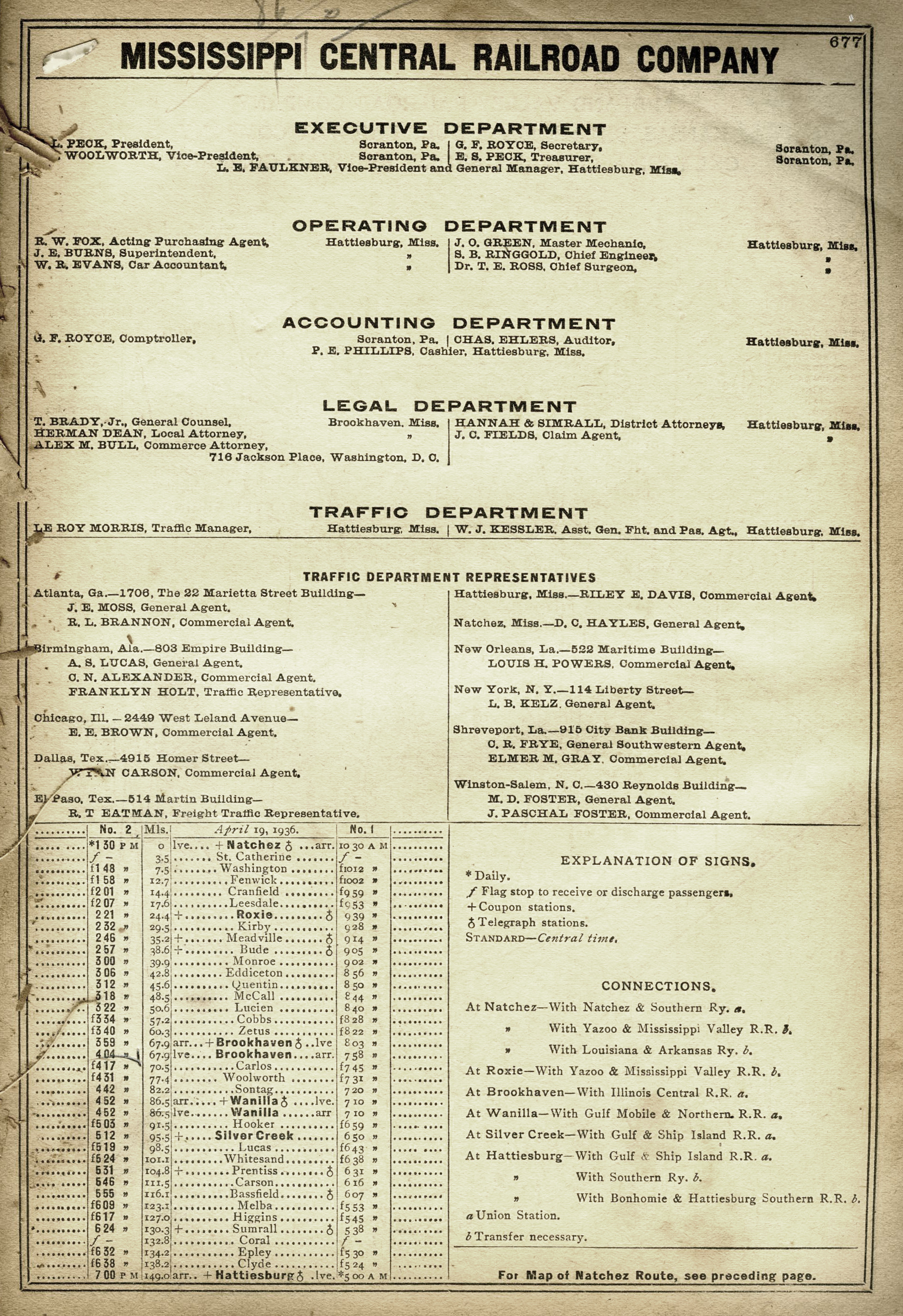 March 1937 Official Guide of the Railways- Tony Howe Collection |
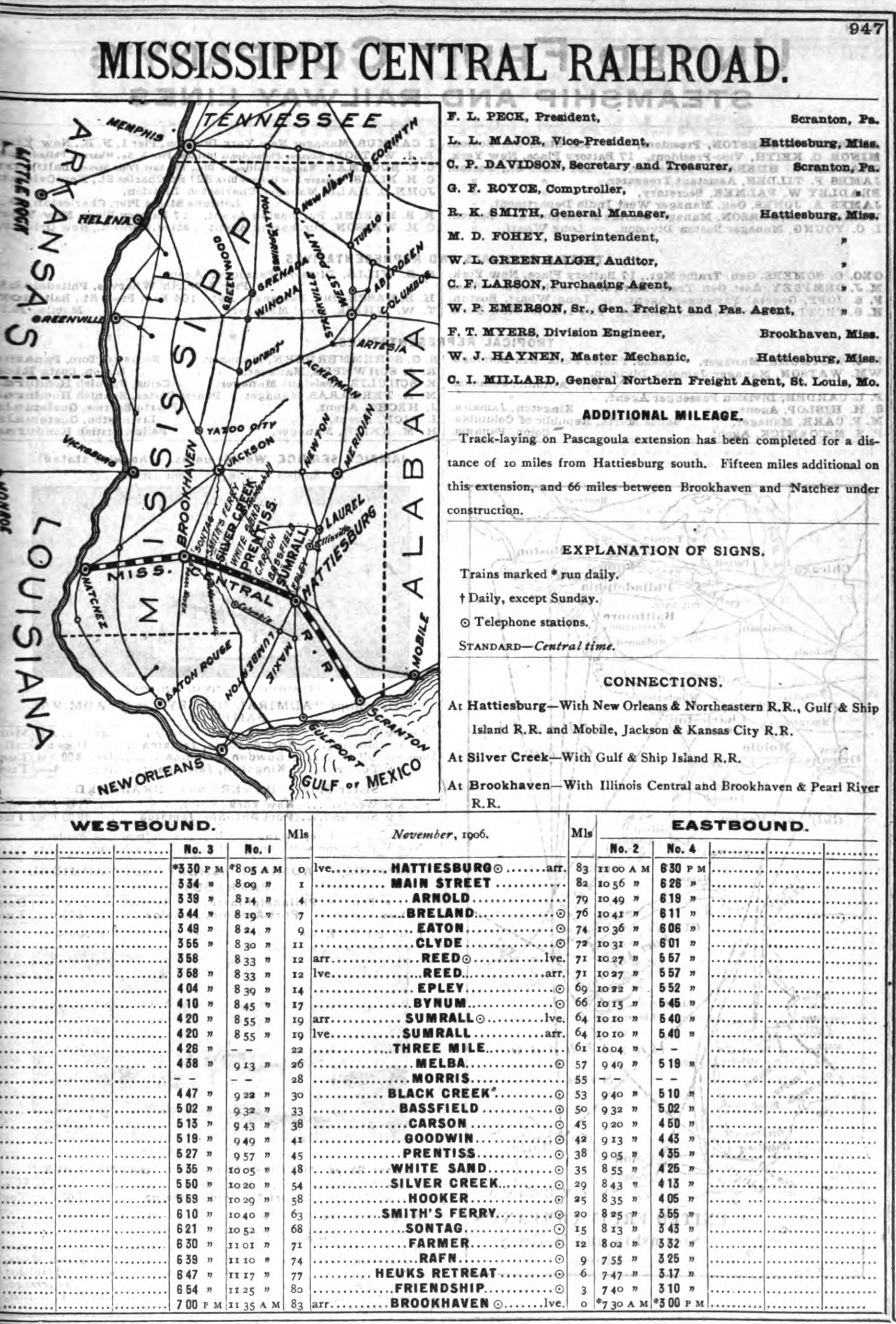 July 1907 Official Guide of the Railways |
||||||||||||||||||||||||||||||||||||||||||||||||||||||||||||||||||||||||||||||||||||||||||||||||||||||||||||||||||||||||||||||||||||||||||||||||||||||||||||||||||||||||||||||||||||||||||||||||||||||||||||||||||||||||||||||||||||||||||||||||||||||||||||||||||||||||||||||||||||||||||||||||||||||||||||||||||||||||||||||||||||||||||||||||||||||||||||||||||||||||||||||||||||||||||||||||||||||||||||||||||||||||||||||||||||||||||||||
|
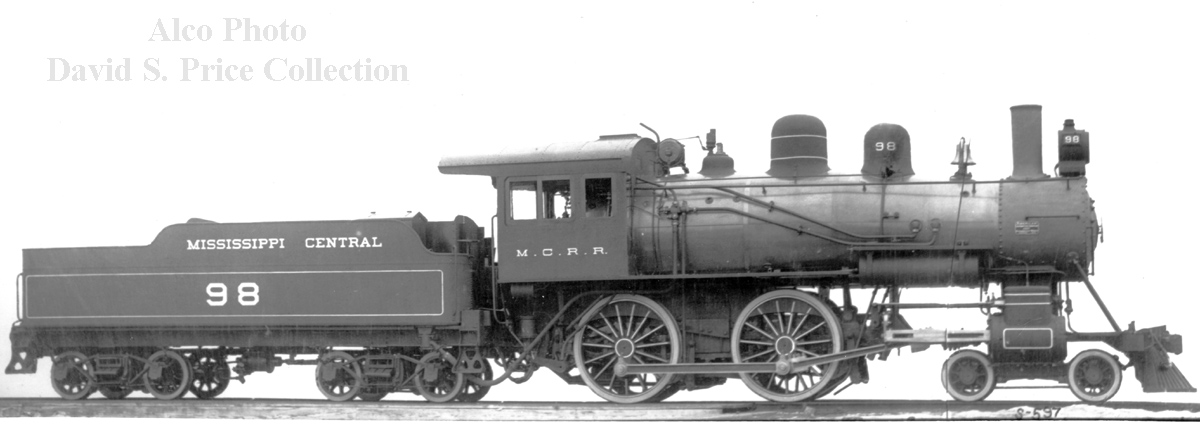
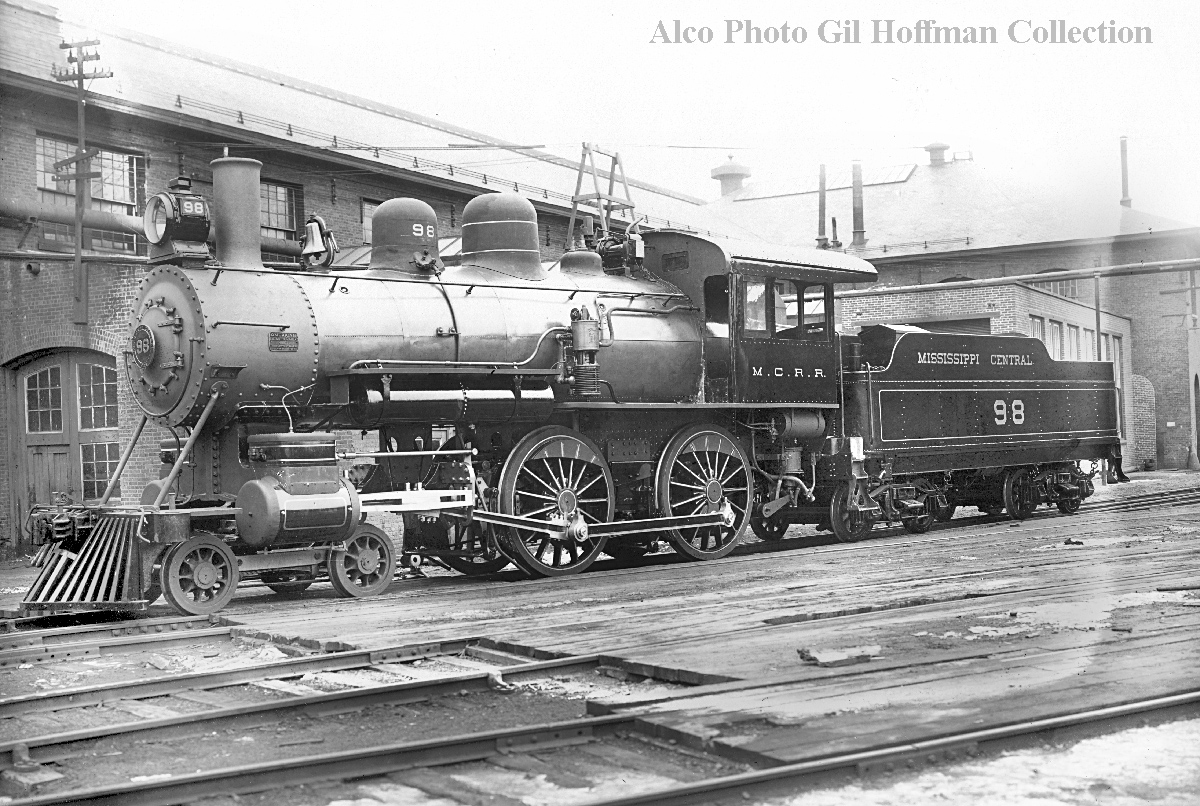
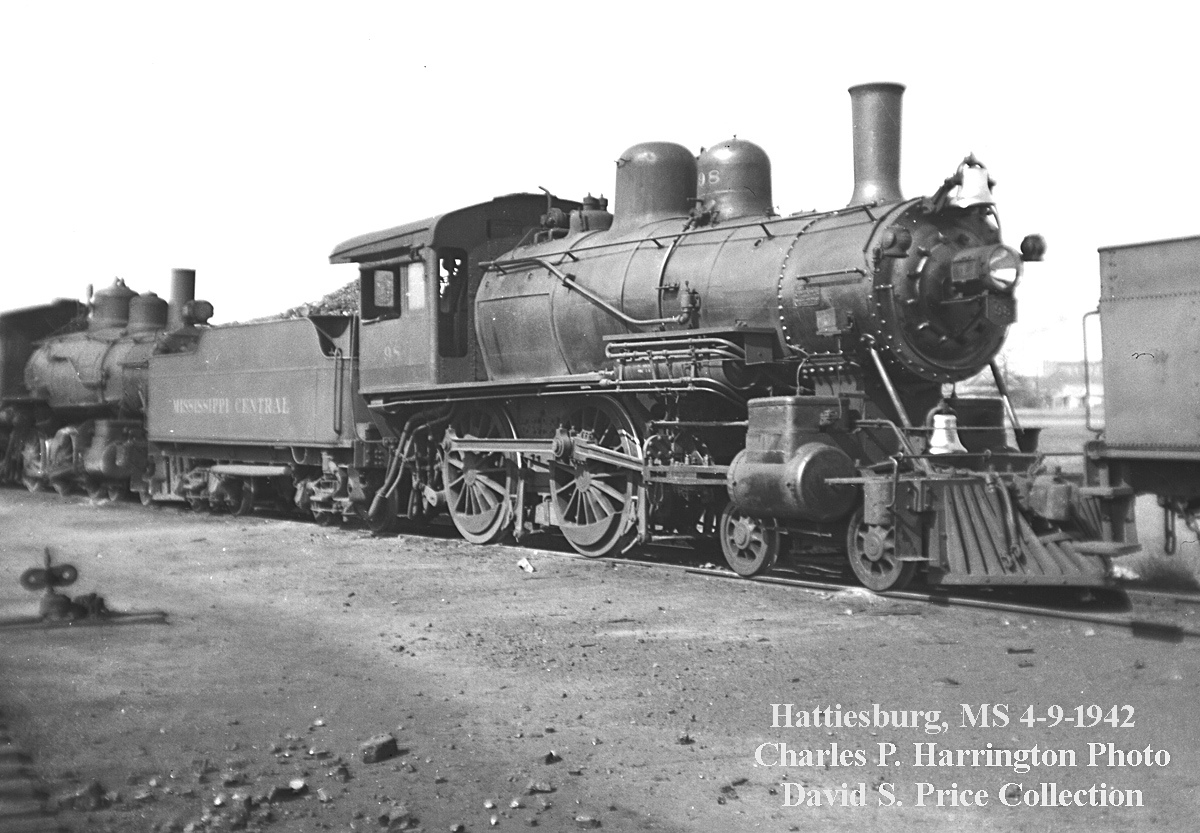
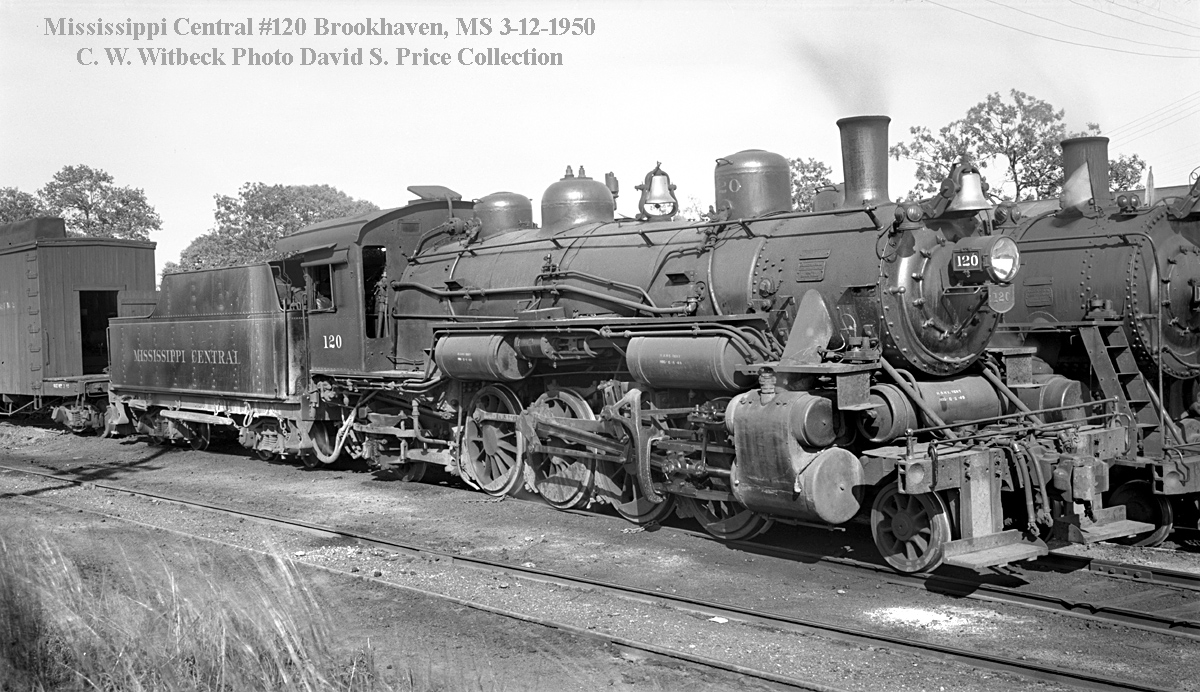
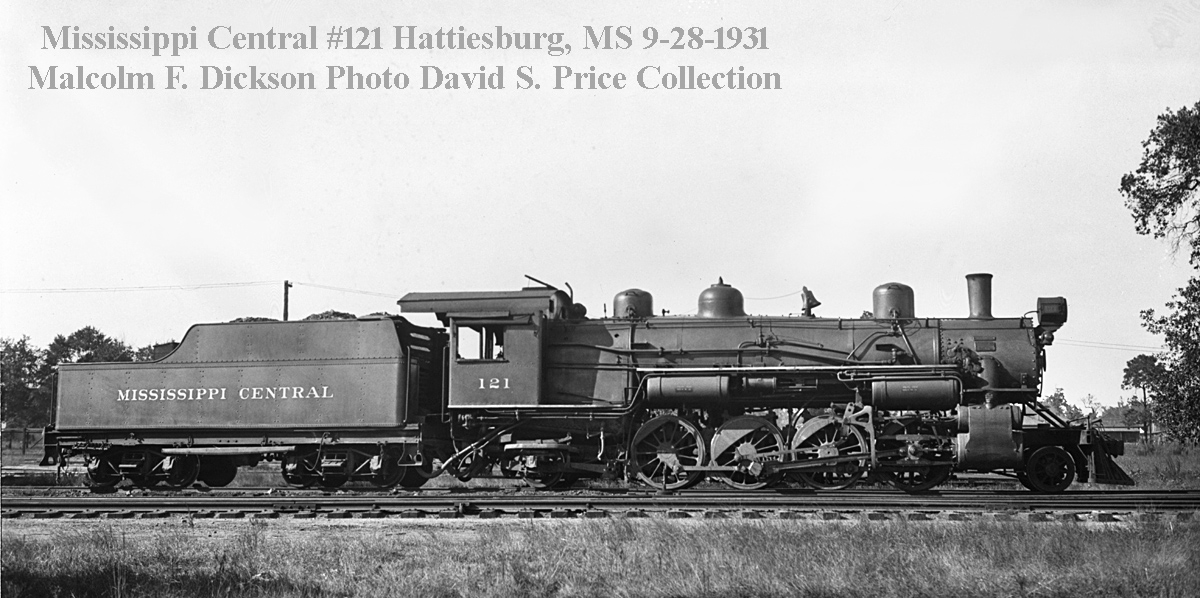
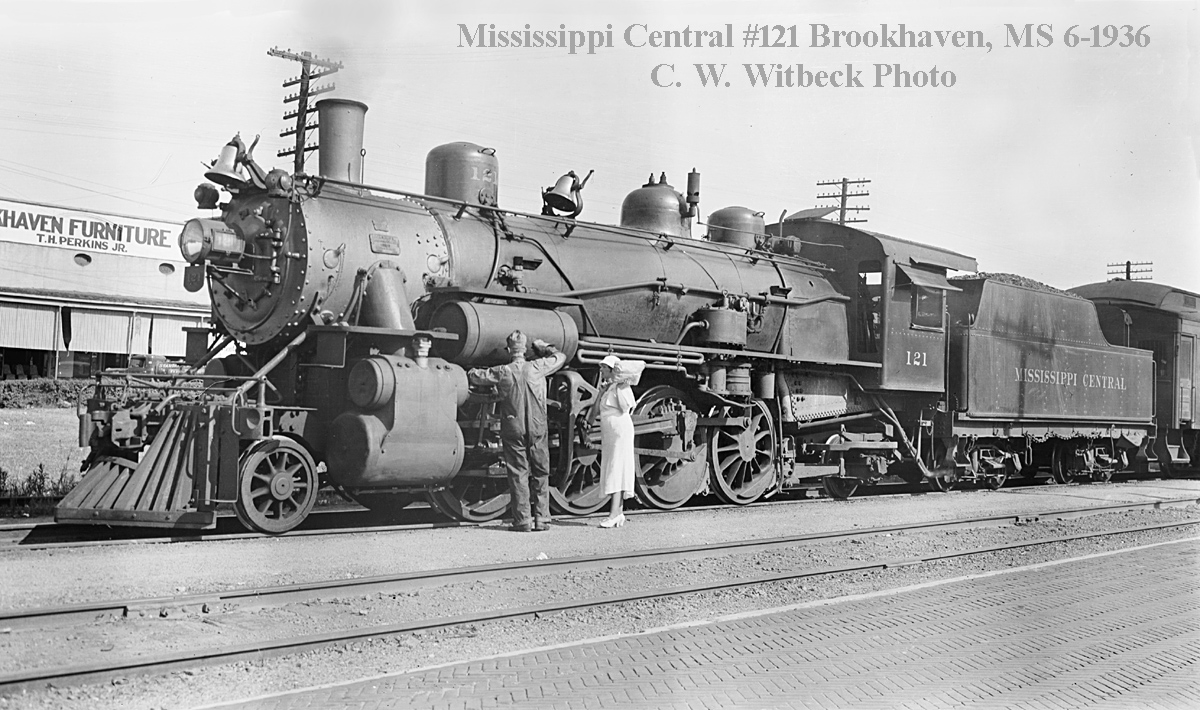
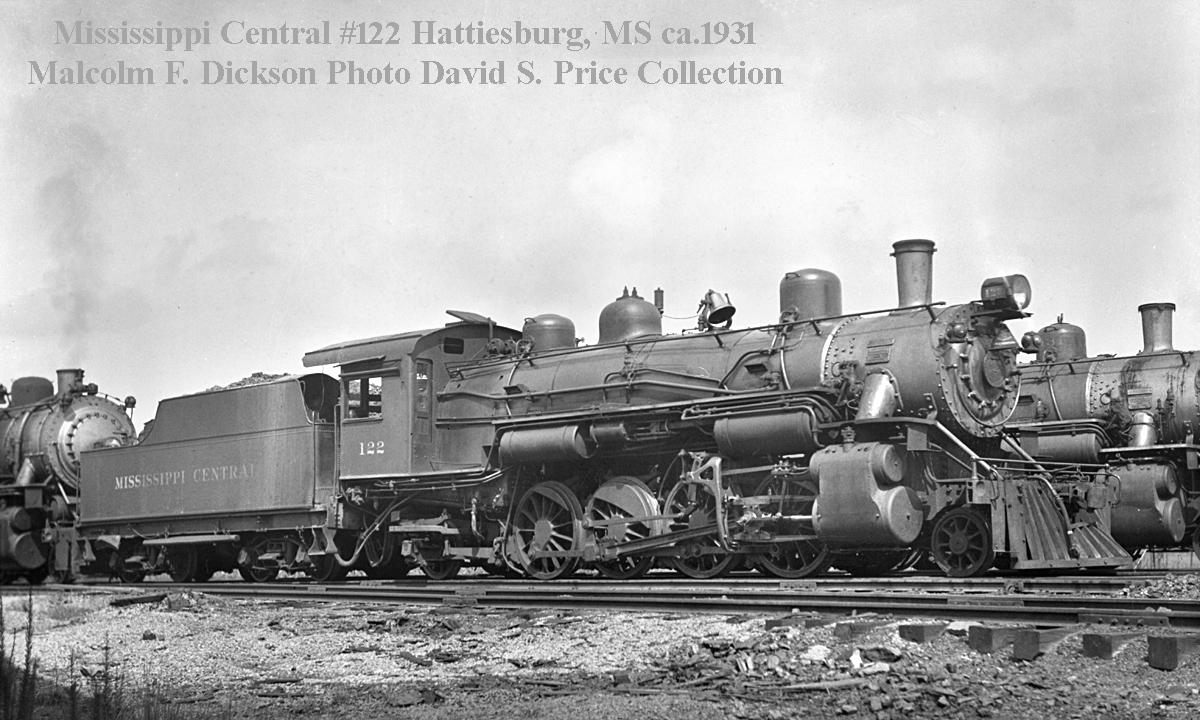
Steam Roster by Dr. Gilbert Hoffman
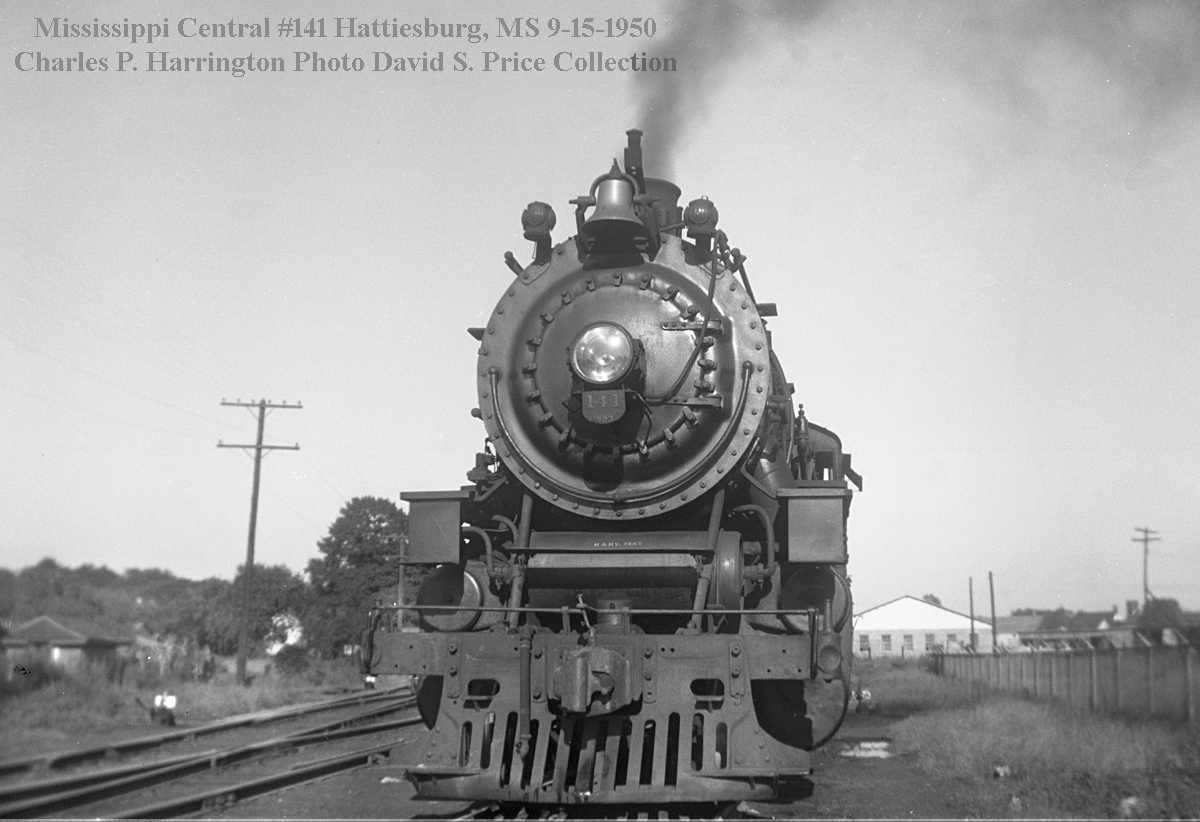
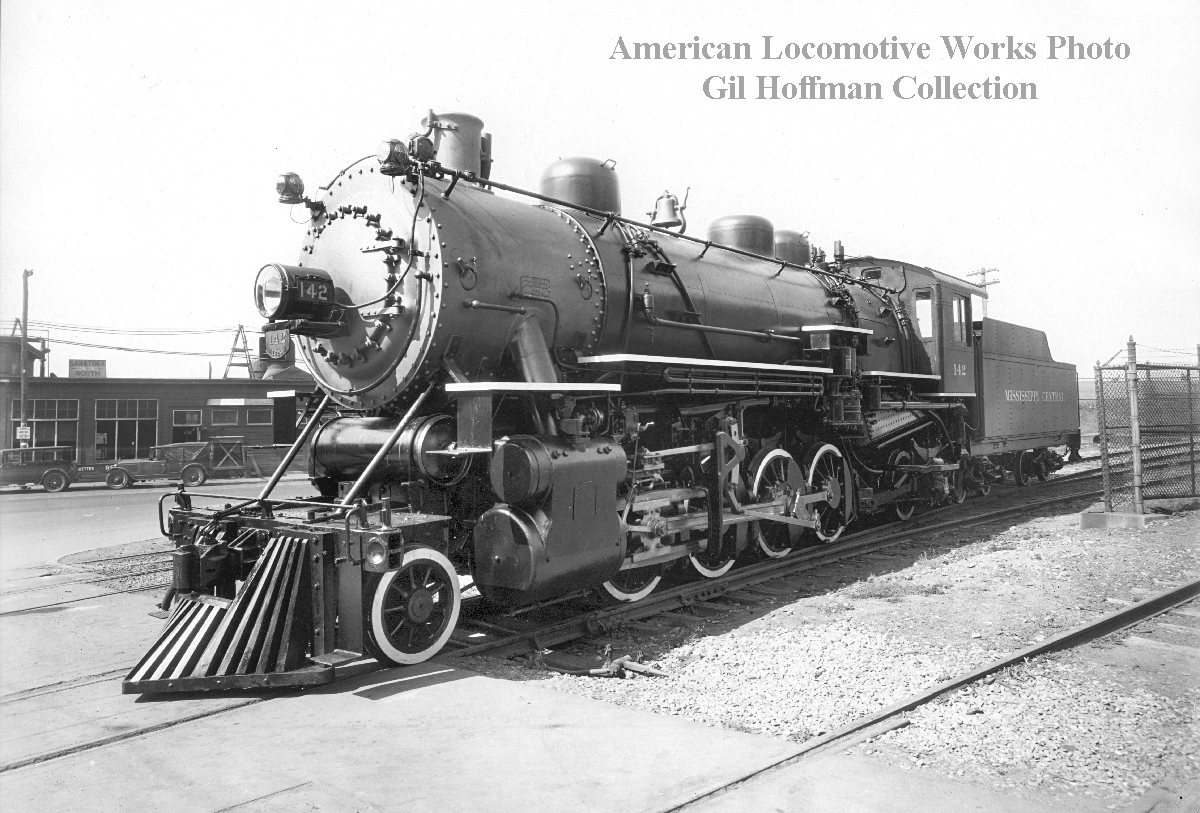
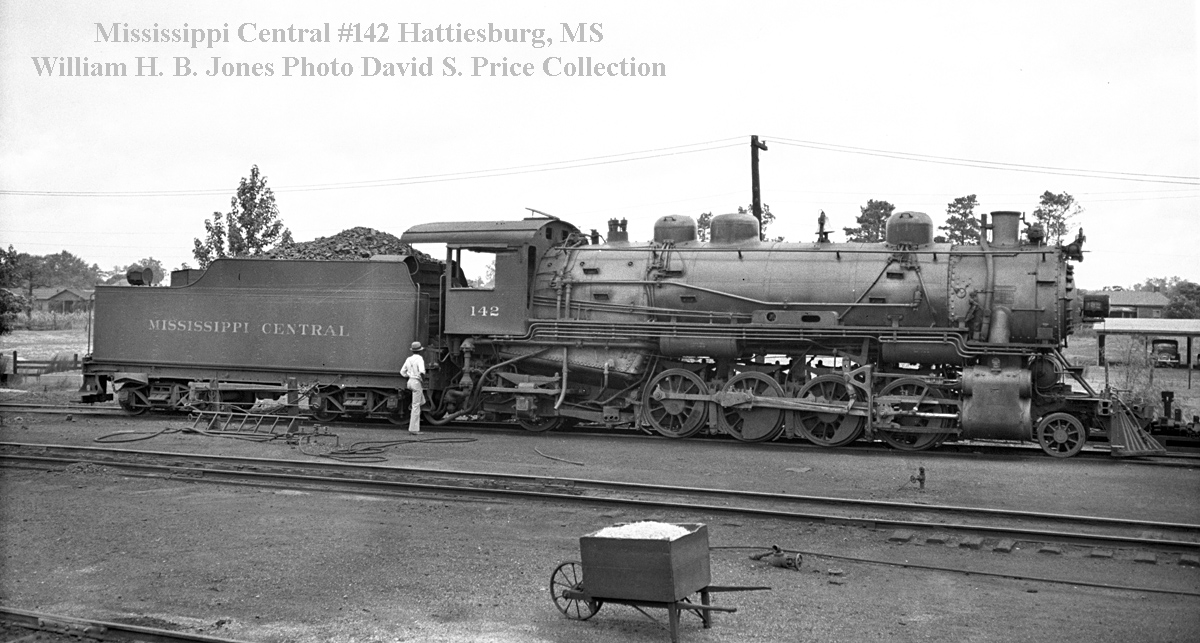
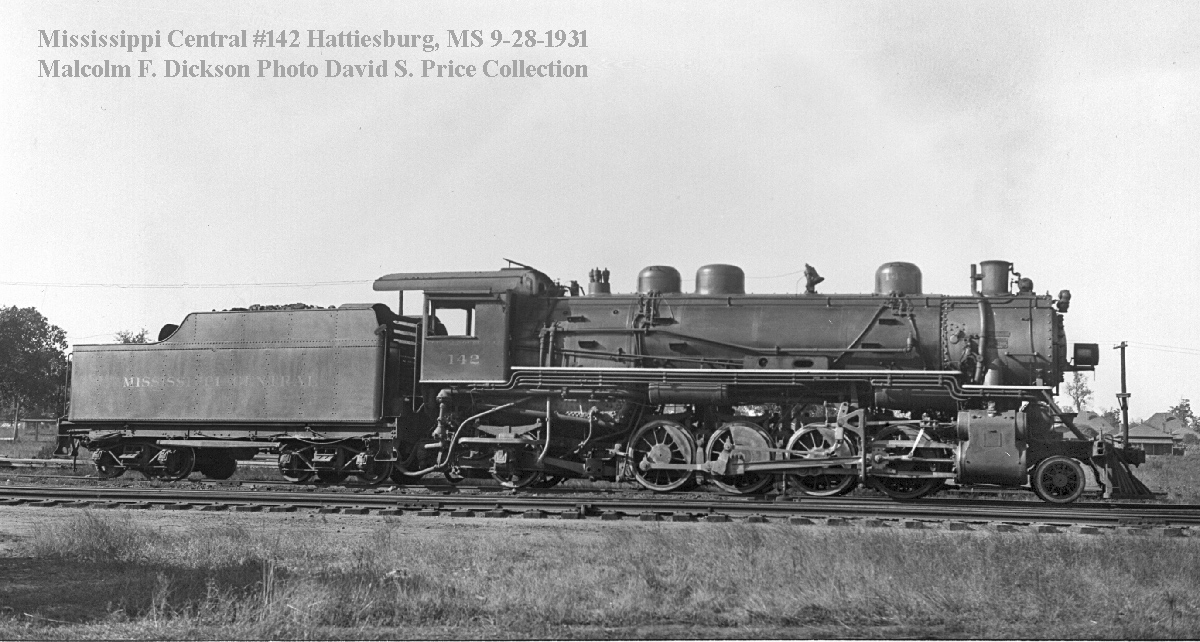
116-119
Vacant
125-129
Vacant
132-139
Vacant
143-149
Vacant
Note
1.
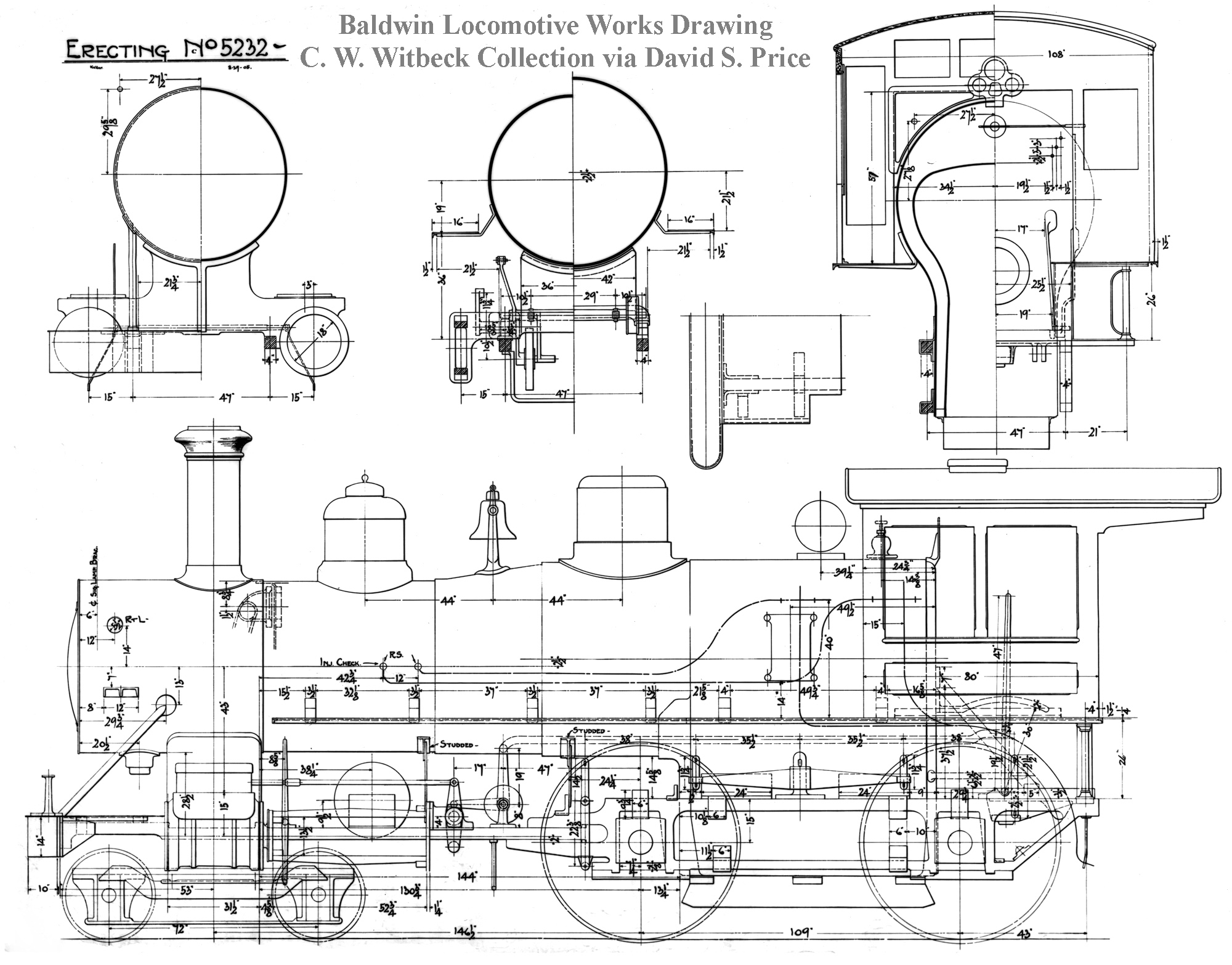
Union Pacific #838 rebuilt at Omaha Shops from U. P. #767 (Rogers
c.n. 3846 11/1887), a Mother Hubbard 4-4-0. Only the chassis of No. 767
was retained in building No. 838; the remainder was built new. Note
2.
No. 103 is thought to have come from the Camp & Hinton Co., at
Lumberton, MS. Note
3.
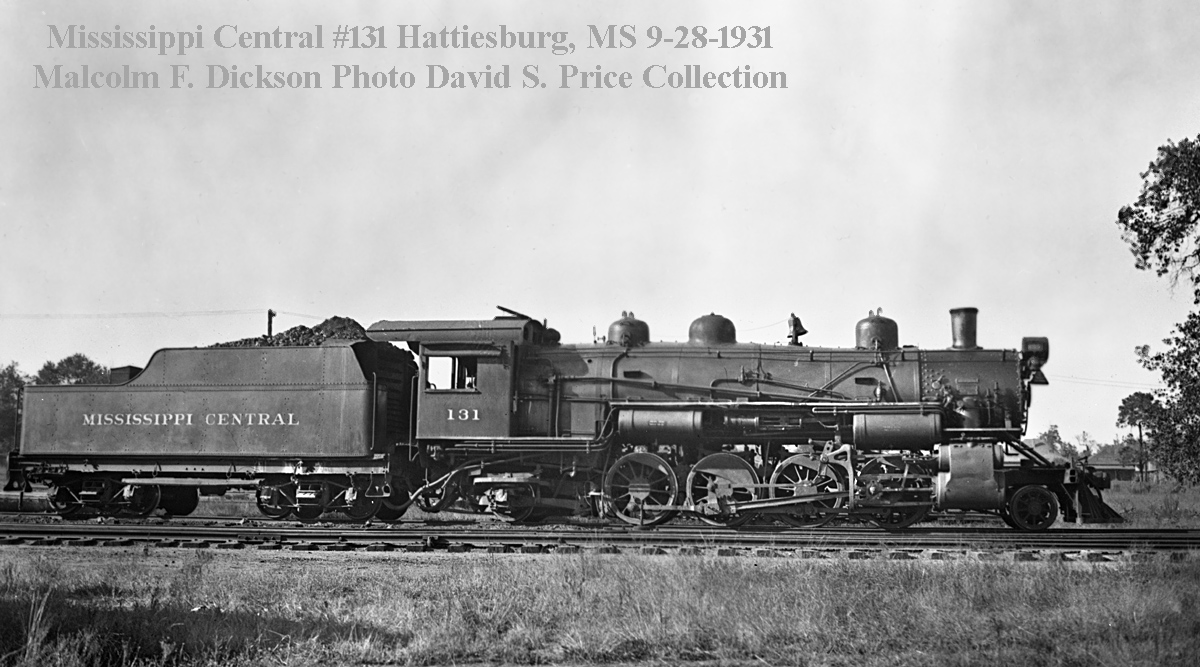
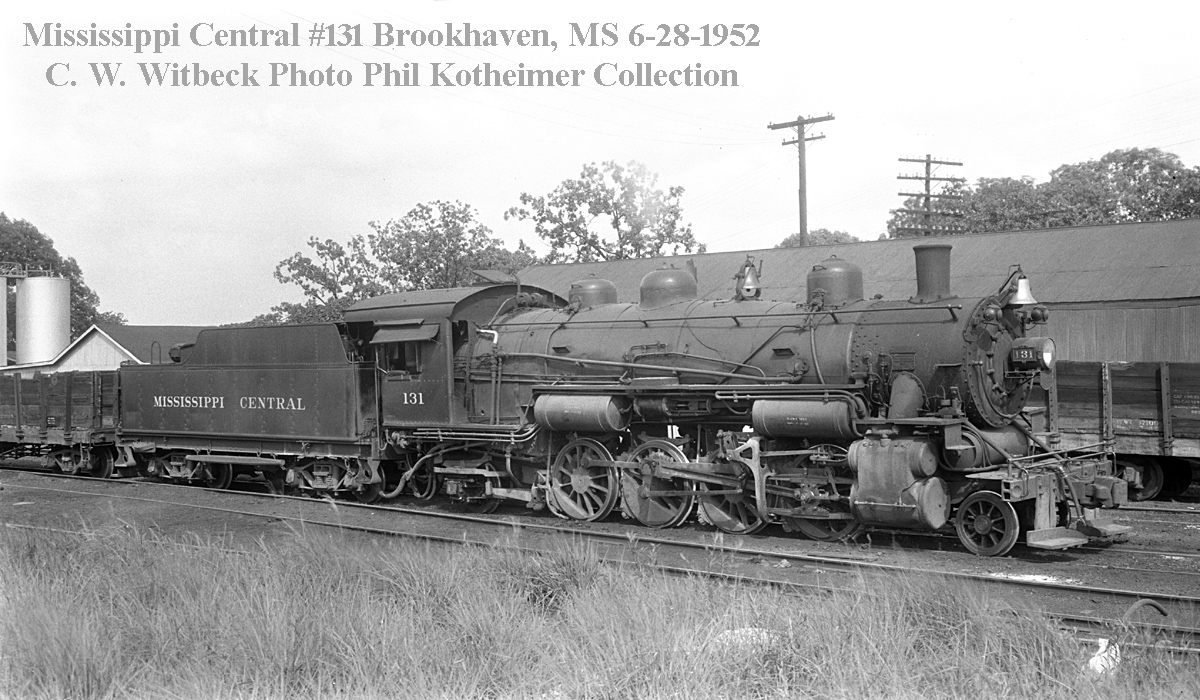
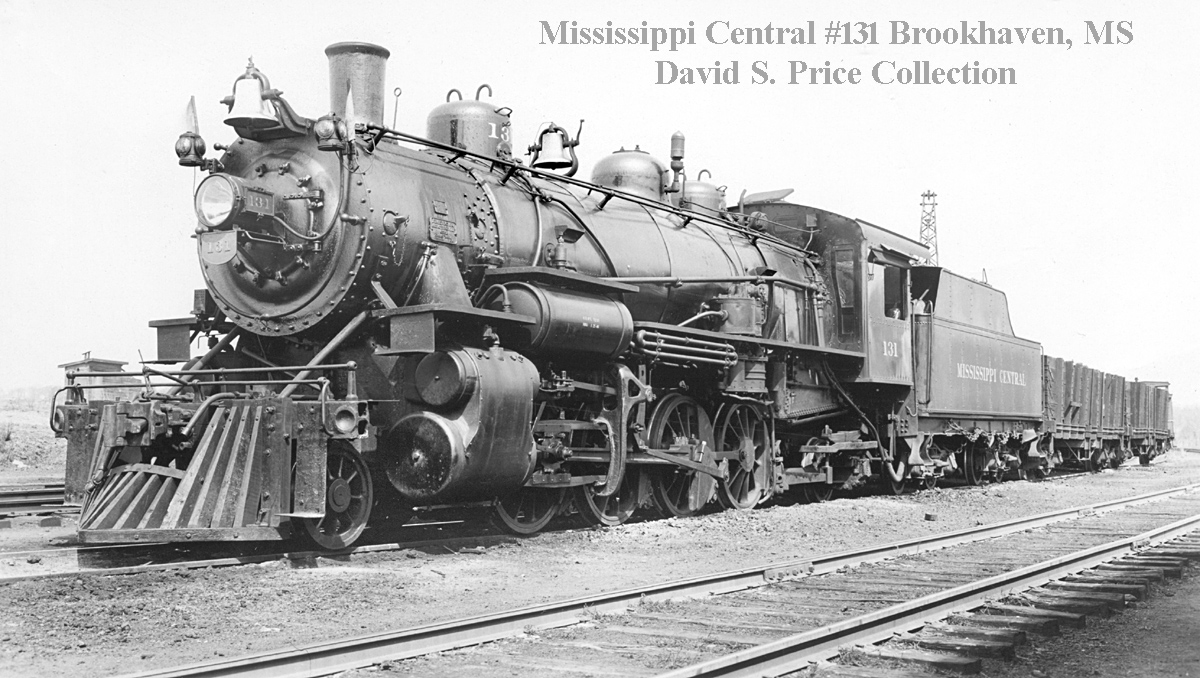
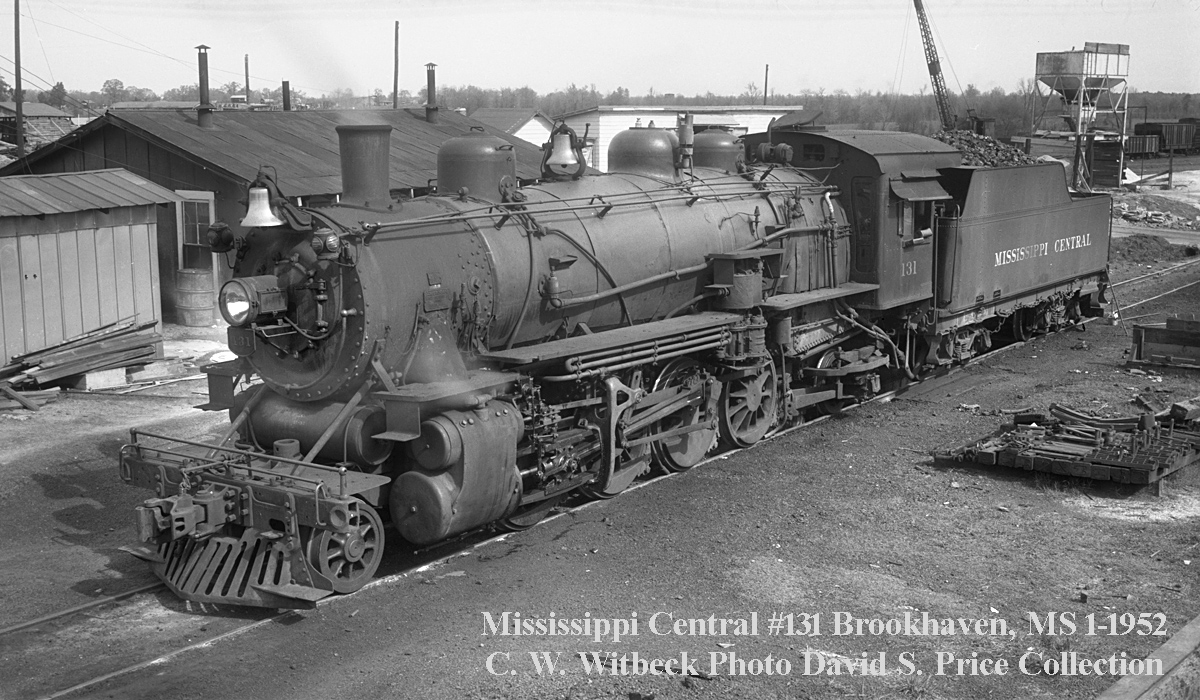
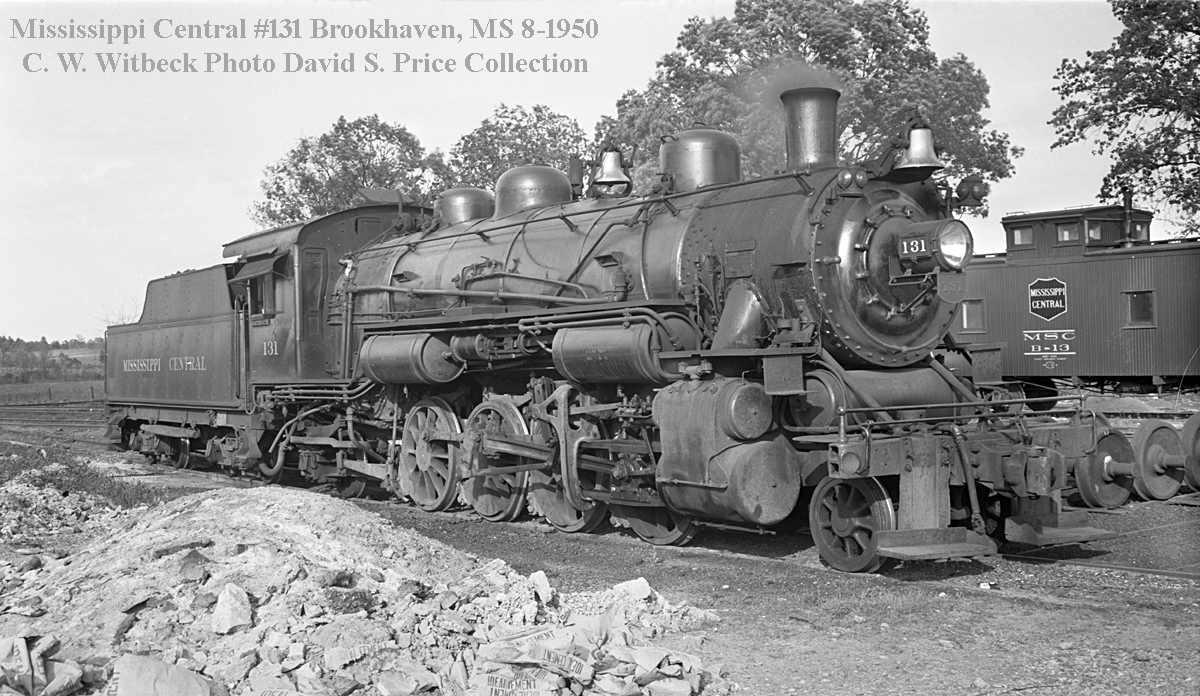
No. 131 was scrapped at Hattiesburg after derailment 6/4/1953
enroute to Memphis, TN. Note
4.
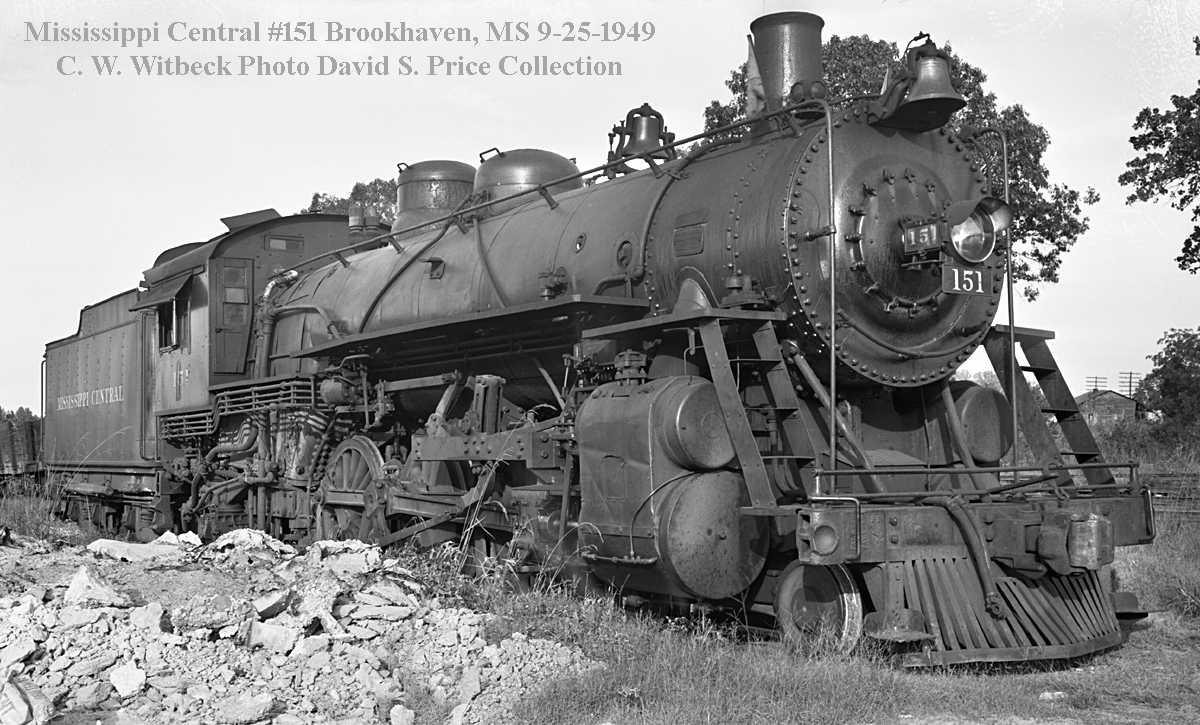
No. 151 was leased to Miss. Central on 5/13/1948 at $30 per day
with rental applied toward purchase price. REFERENCE 1. “Mississippi Central Railroad Company,” Valuation Docket No. 1472. Interstate Commerce Commission Reports, Vol. 135, p.286-326. Steam Roster by Gilbert H. Hoffman
|
|||||||||||||||||||||||||||||||||||||||||||||||||||||||||||||||||||||||||||||||||||||||||||||||||||||||||||||||||||||||||||||||||||||||||||||||||||||||||||||||||||||||||||||||||||||||||||||||||||||||||||||||||||||||||||||||||||||||||||||||||||||||||||||||||||||||||||||||||||||||||||||||||||||||||||||||||||||||||||||||||||||||||||||||||||||||||||||||||||||||||||||||||||||||||||||||||||||||||||||||||||||||||||||||||||||||||||||||
|
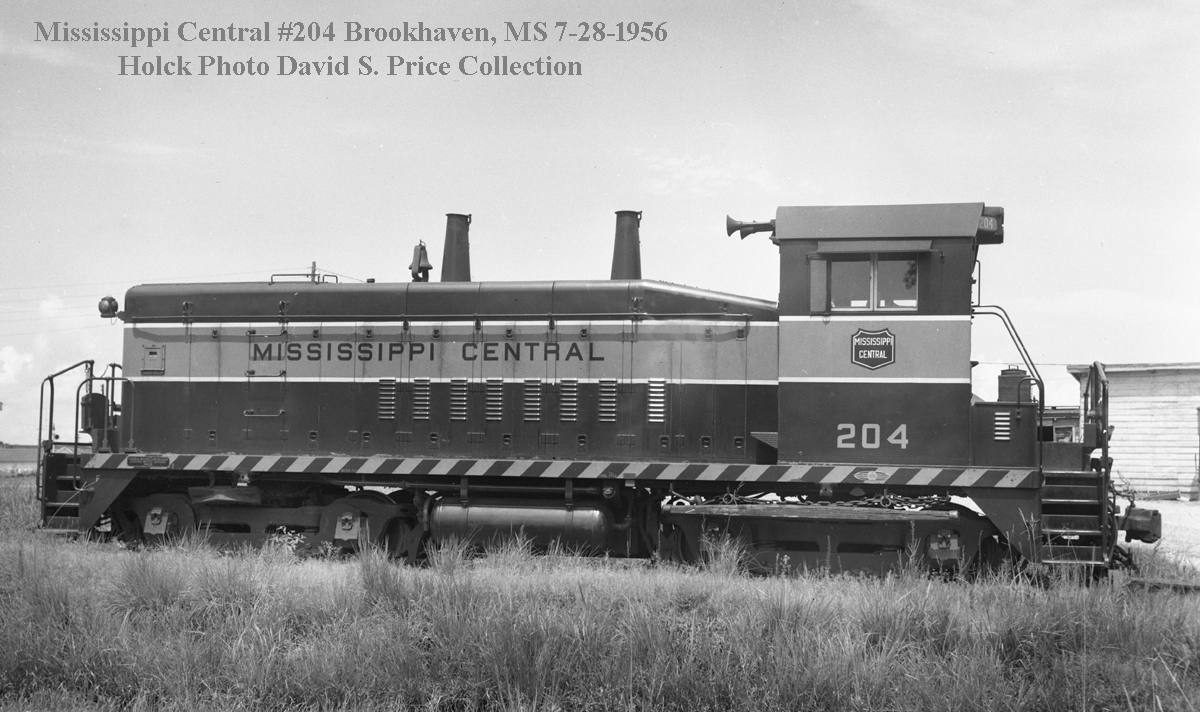
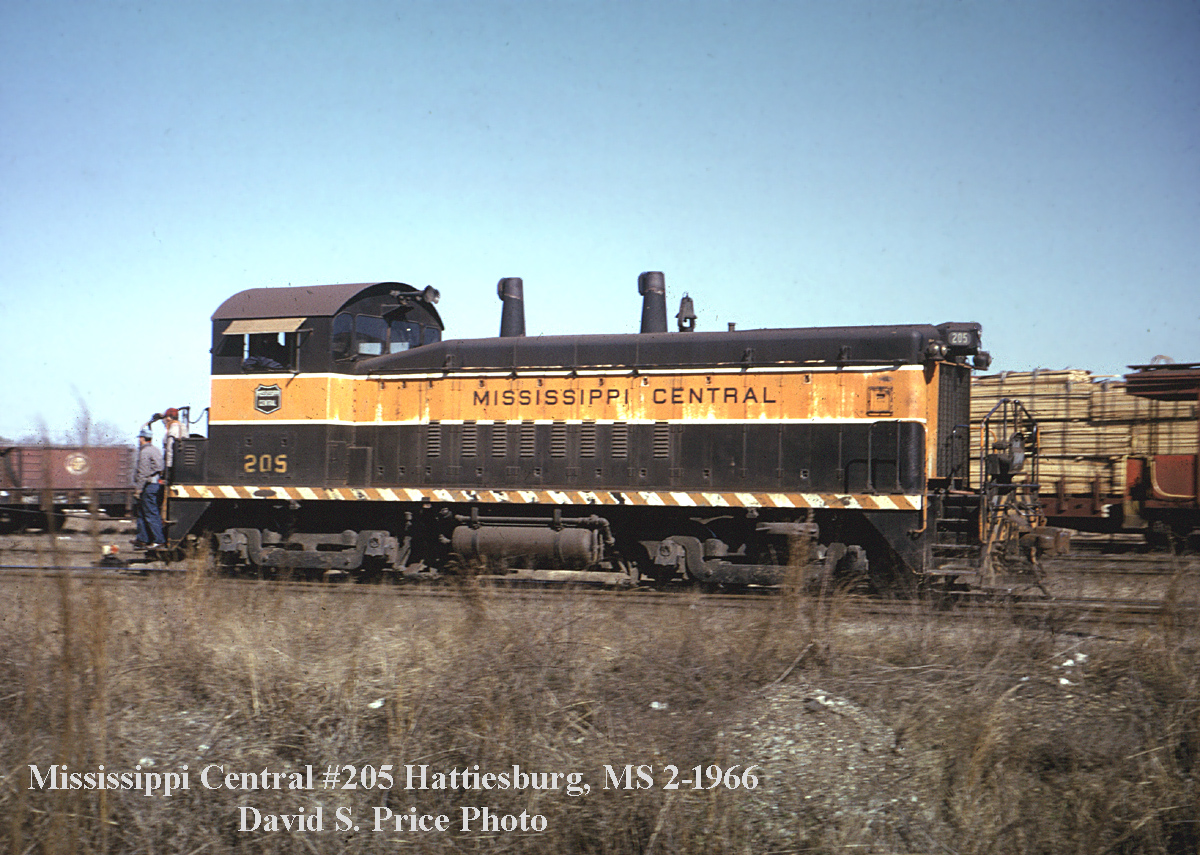
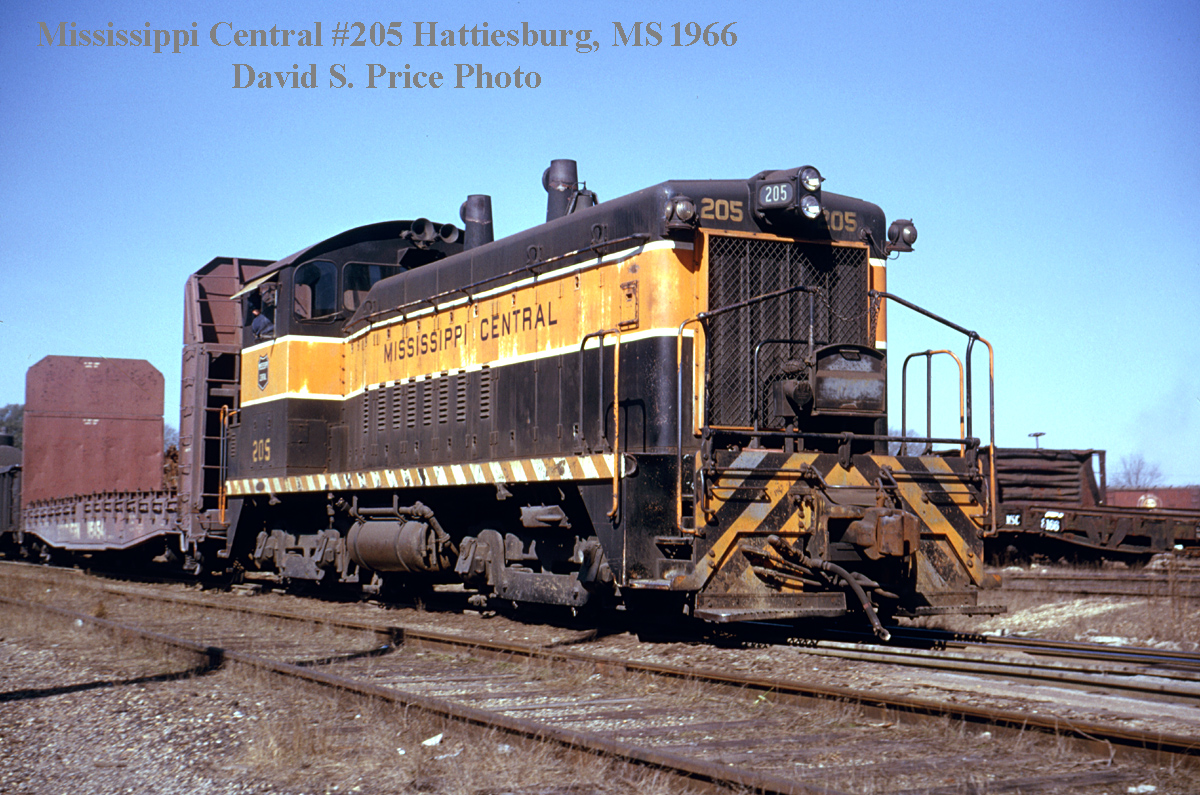
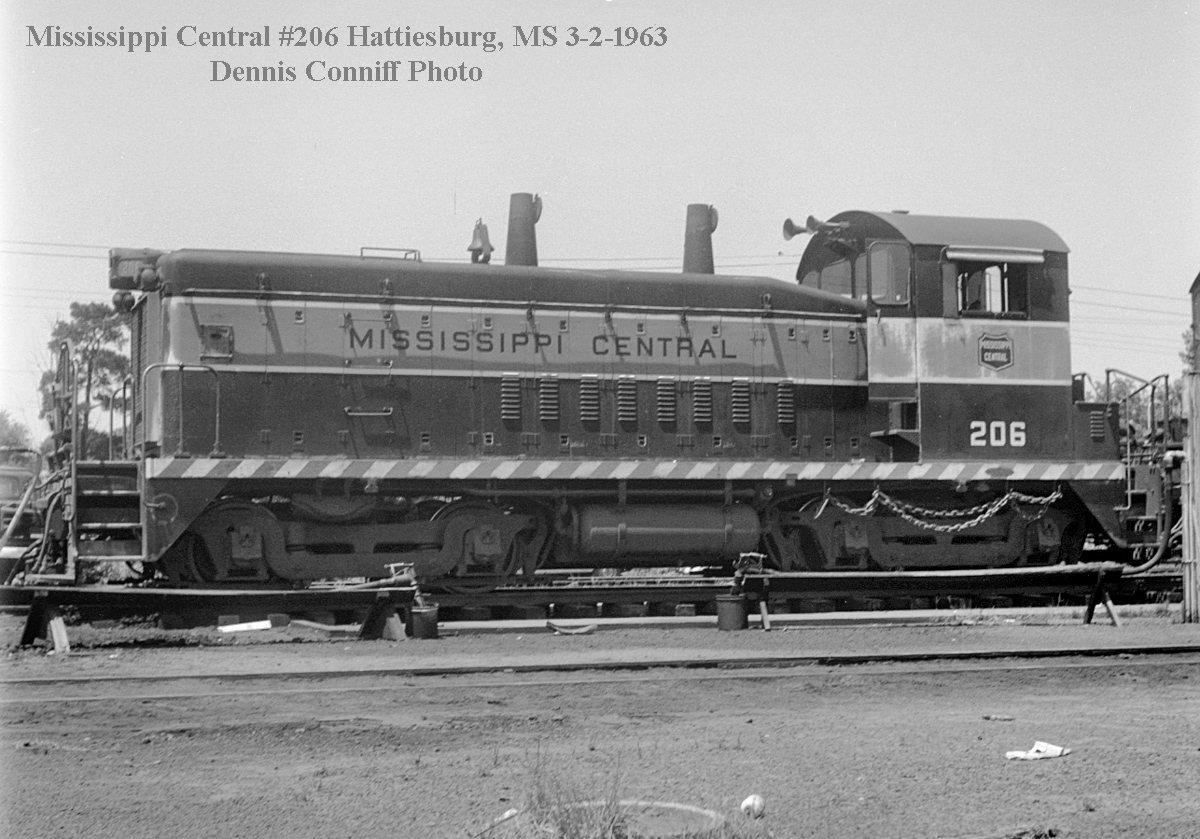
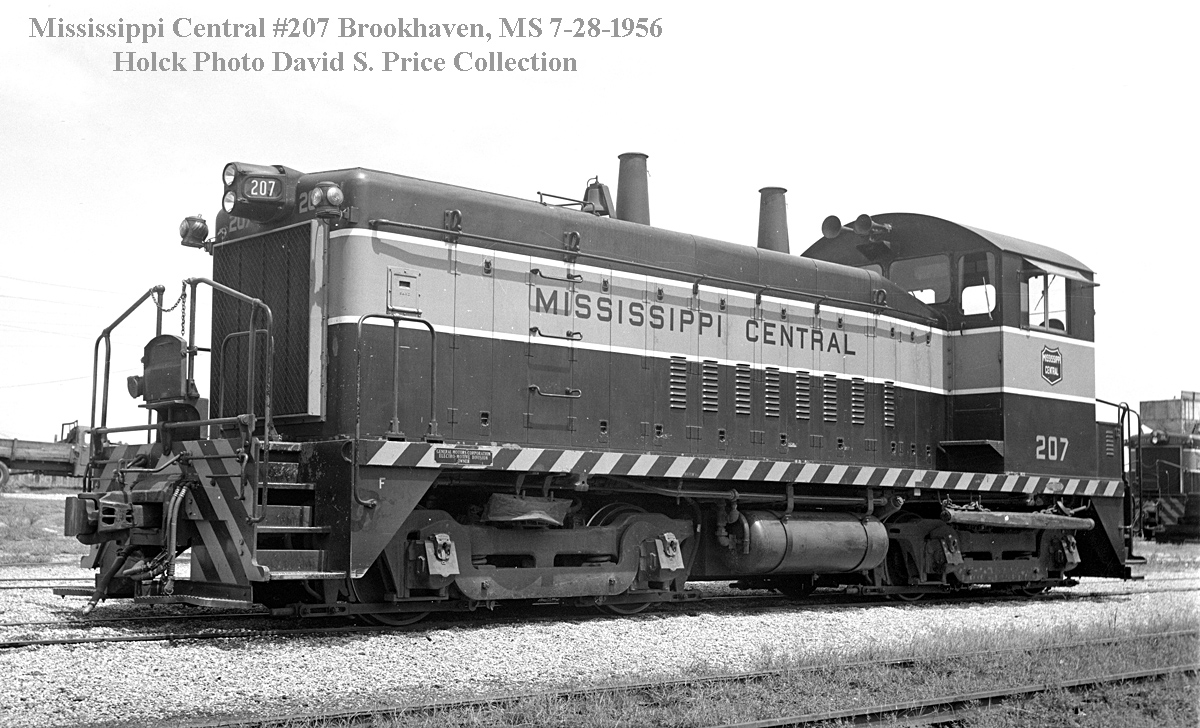
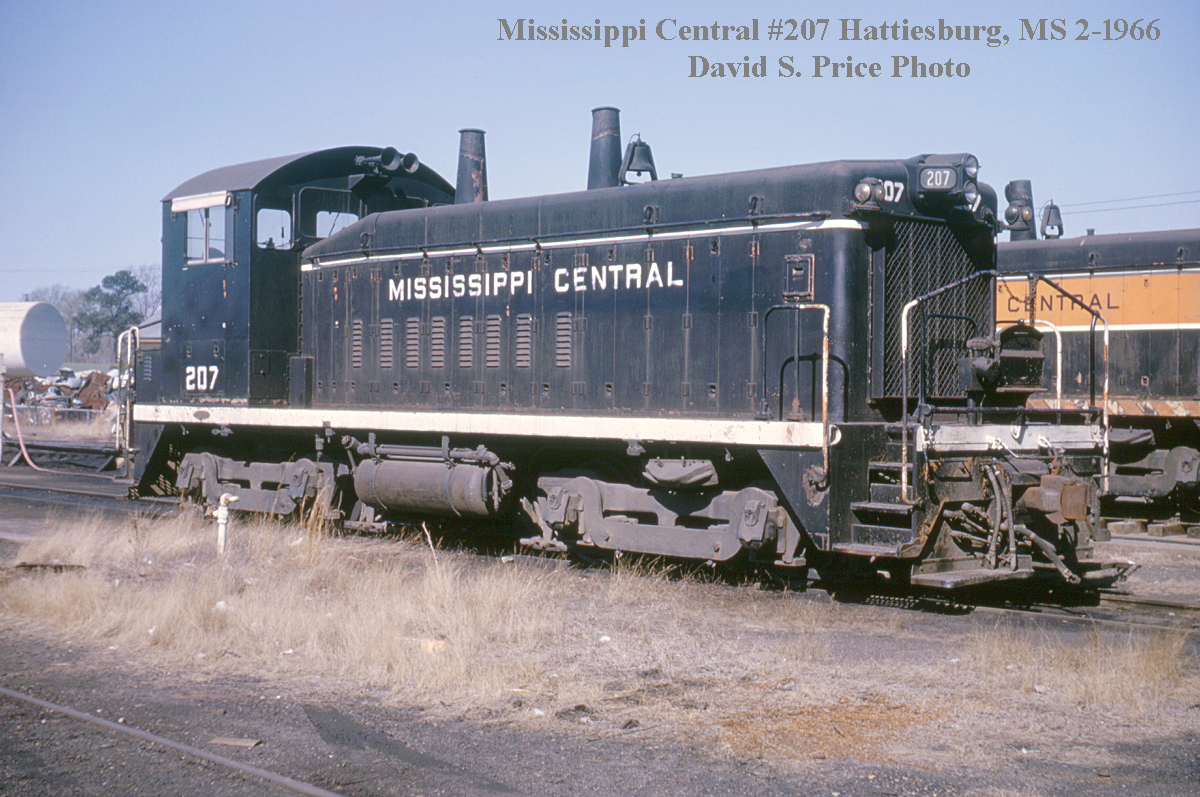
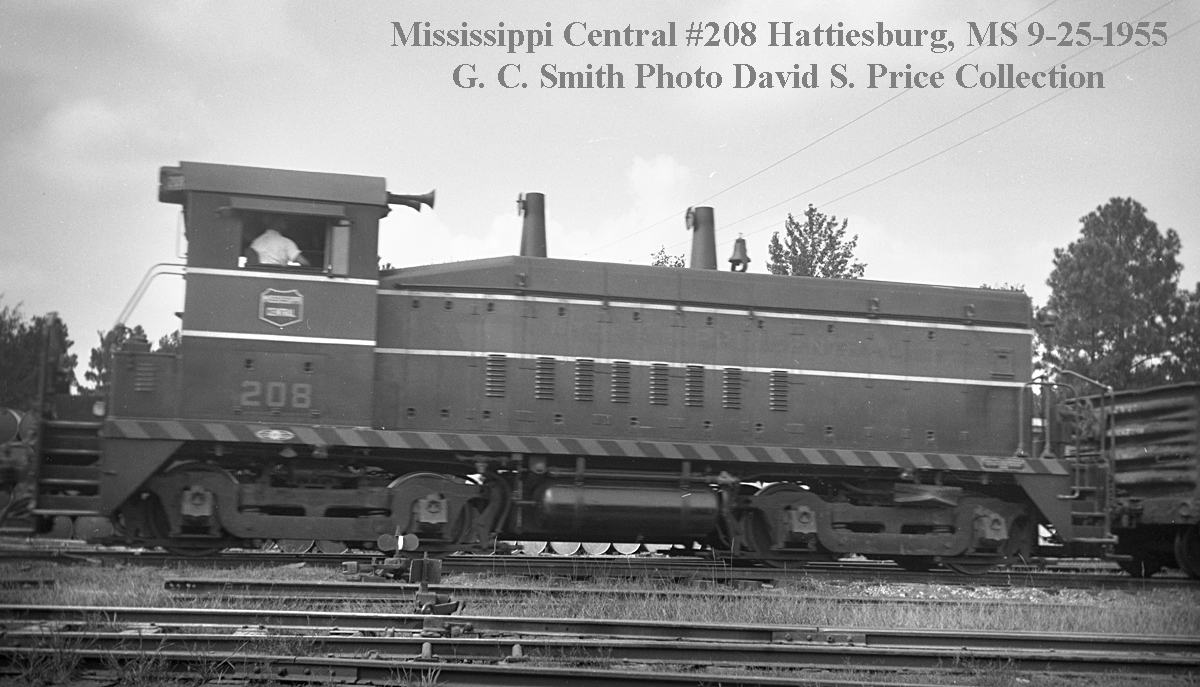
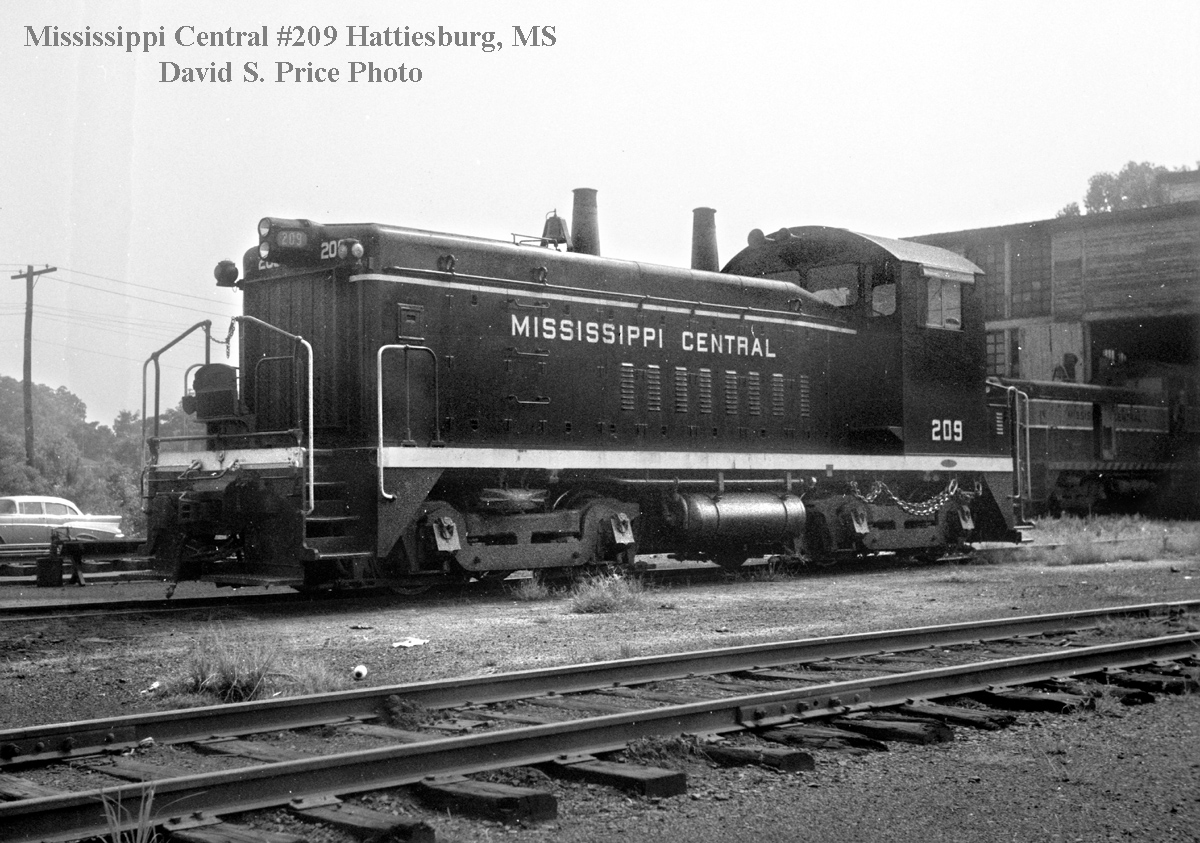
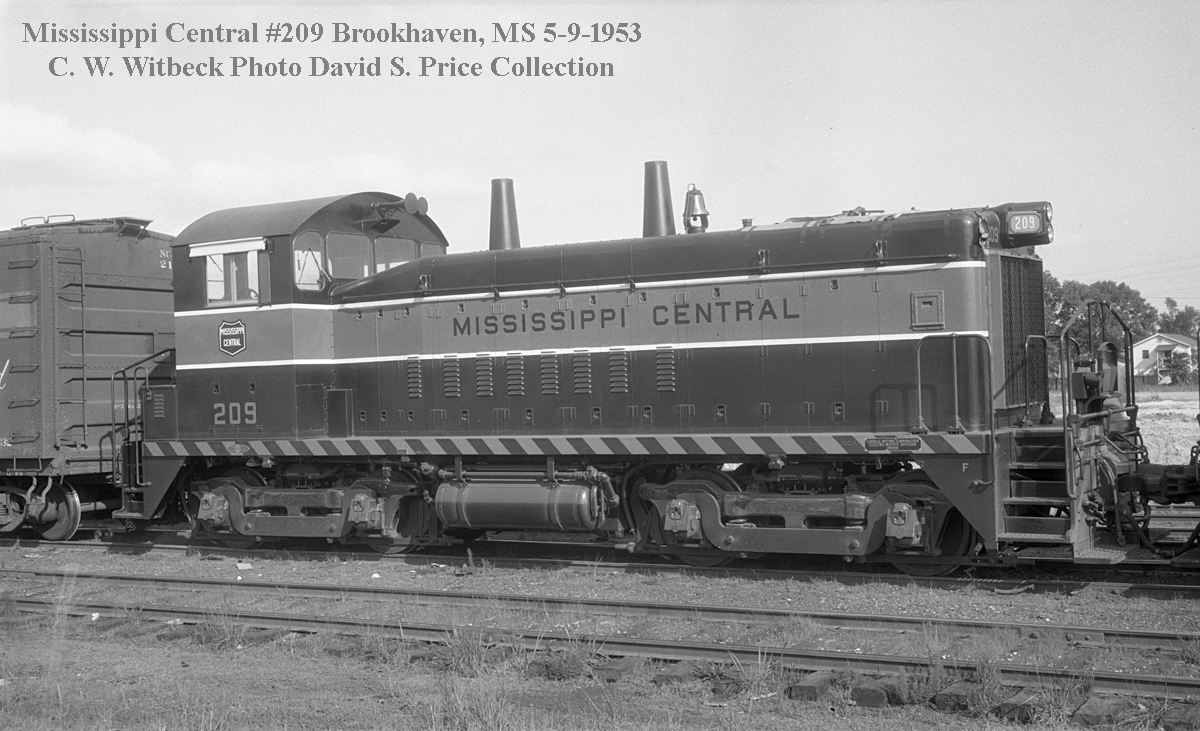
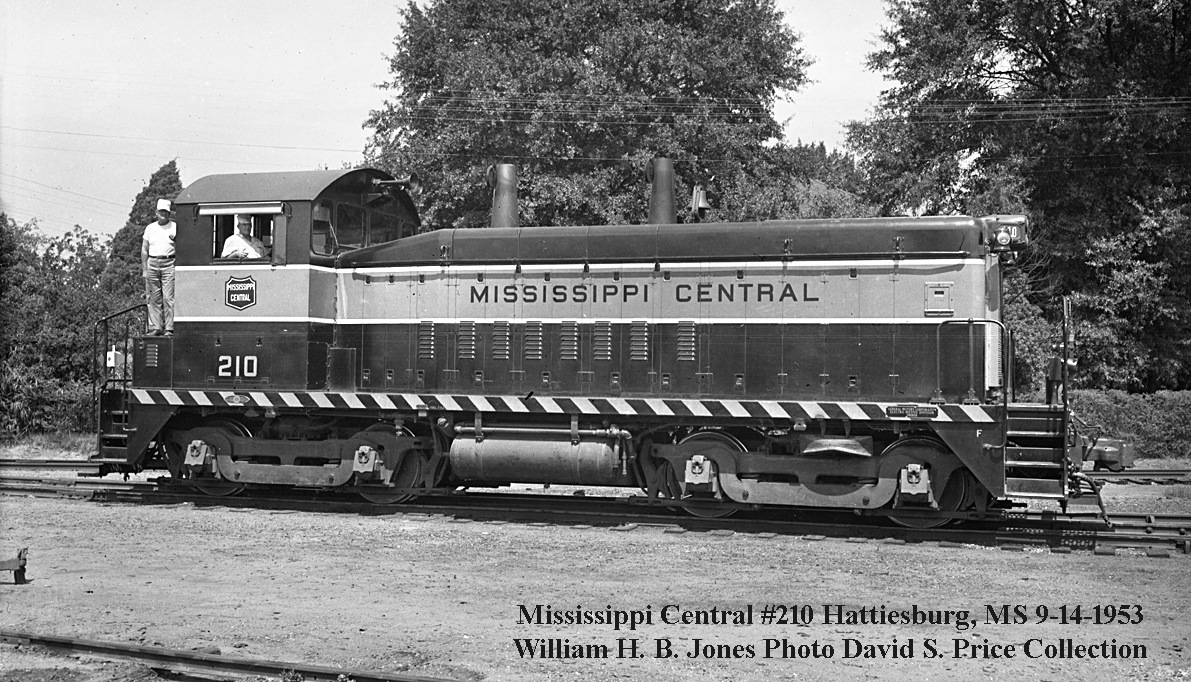
Diesel Roster
|
|||||||||||||||||||||||||||||||||||||||||||||||||||||||||||||||||||||||||||||||||||||||||||||||||||||||||||||||||||||||||||||||||||||||||||||||||||||||||||||||||||||||||||||||||||||||||||||||||||||||||||||||||||||||||||||||||||||||||||||||||||||||||||||||||||||||||||||||||||||||||||||||||||||||||||||||||||||||||||||||||||||||||||||||||||||||||||||||||||||||||||||||||||||||||||||||||||||||||||||||||||||||||||||||||||||||||||||||
If you have additional photos or information, please contact Tony Howe at tonyhowe76@yahoo.com David S. Price at davidsprice46@gmail.com or Brian Johnston at johnston127235@bellsouth.net
All content on Mississippi Rails website is copyrighted by us or the individual or institution noted on the image or accompanying text. Please contact us below for permission to use any image or information contained on this website. Mississippi Rails is not affiliated with any railroad.
©2020 Mississippi Rails